Cestovanie s deťmi praktické tipy: lietadlo, transfer a hotel
Presuny počas dovolenky patria k najnáročnejšej časti cestovania s deťmi. Vyžadujú si nielen trpezlivosť rodičov, ale aj pár praktických riešení. Zistite, ako zvládnuť lietadlo, transfer aj príchod do hotela bez zbytočného stresu.
 J
J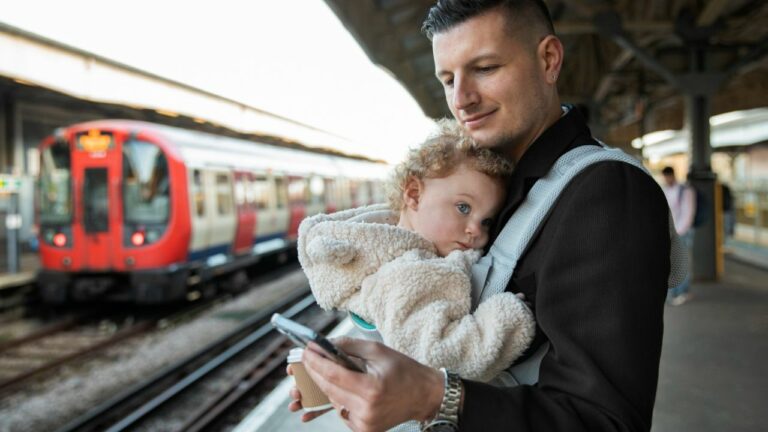
Cestovanie s deťmi nebýva najnáročnejšie až v cieli, ale práve počas presunov – na letisku, v lietadle alebo po príchode do hotela. Stačí malé zdržanie, únava alebo nečakaný chaos a z pokojného začiatku dovolenky sa razom stáva napätá situácia. Avšak takéto momenty môžete výrazne ovplyvniť, ak viete, ako sa na ne včas pripraviť. V praxi totiž často rozhodujú drobnosti. Zorientujte sa v nich ešte pred odchodom z domu.
Lietadlo
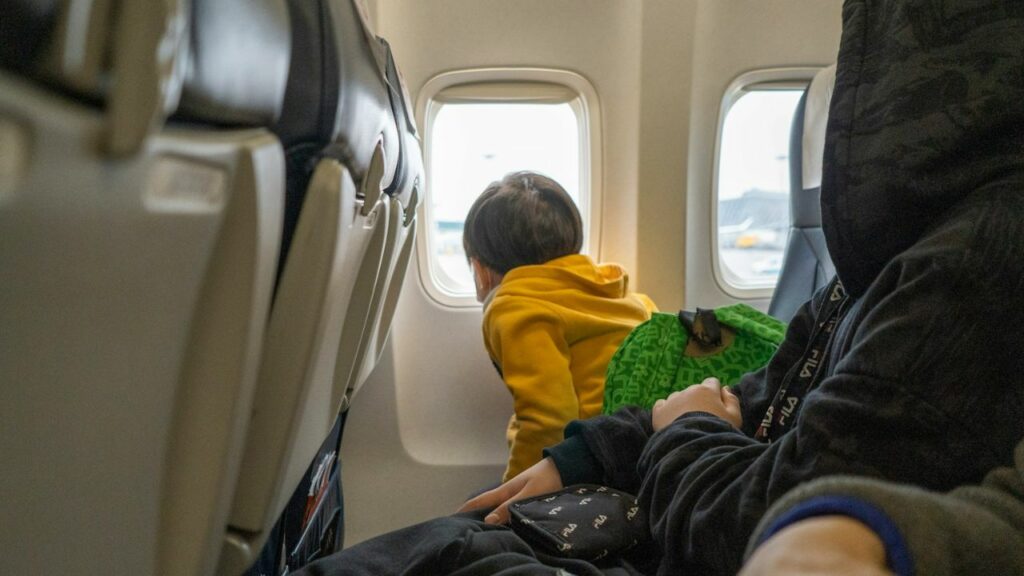
Už samotný let predstavuje pre väčšinu detí novú a náročnú situáciu. Zmena prostredia, obmedzený pohyb a dlhé čakanie v uzavretom priestore vedia rýchlo otestovať trpezlivosť celej rodiny. Práve preto sa oplatí myslieť pár krokov dopredu. Najväčší rozdiel robí to, čo vyriešite ešte doma – nie až na letisku.
Ujasnite si preto základné veci – sedadlá, batožinu aj časový plán. Ak cestujete s menšími deťmi, je nutné vyberať sedenie vedľa seba. Deťom v krátkosti vysvetlite, čo ich čaká. Aj jednoduchá predstava im pomôže lepšie zvládnuť rôzne situácie. Pomáhajú aj maličkosti. Skúste im dať malú „rolu“ – napríklad sledovať lietadlo alebo si strážiť si batoh.
Čo si zbaliť do lietadla
Príručná batožina je pri cestovaní s deťmi kľúčová. Okrem nevyhnutných vecí, ako sú napríklad bežne užívané lieky, by mala obsahovať tiež:
- malé snacky a vodu
- obľúbené hračky alebo knižku
- náhradné oblečenie
- niečo na upokojenie (deka, plyšák)
Praktické je mať tieto veci oddelené tak, aby ste ich vedeli rýchlo vytiahnuť bez hľadania. Nejde o množstvo, ale istotu, že viete zareagovať na bežné situácie ľahko a bez stresu. Pretože aj ten najkratší let môže deťom pripadať ako celá večnosť. Nuda v nich rýchlo vyvoláva nepokoj, preto majte pripravený aspoň malý plán, ako s ňou zatočiť. Striedajte aktivity s chvíľami oddychu – bez snahy o dokonalosť, ale s cieľom udržať ich pozornosť. Nečakajte, že dieťa let „nejako vydrží“. S malou prípravou zvládnete cestovanie s deťmi oveľa pokojnejšie.
Transfer
Po prílete do cieľovej destinácie nastáva moment, ktorý rodičia často podcenia. Únava, nové prostredie a čakanie na presun vedia rýchlo zmeniť náladu celej „posádky“. Tu sa často láme, či deň začne pokojne alebo stresujúco. Po prílete si doprajte chvíľku času na zorientovanie. Nesnažte sa všetko vyriešiť naraz, v takých situáciách deti prirodzene potrebujú krátky „prechod“ medzi jednotlivými krokmi.
Ak si zabezpečíte transfer vopred, zistite, kde vás bude čakať. Nemusí odchádzať hneď – počítajte s čakaním, presunmi medzi terminálmi aj ďalšími mini zastávkami. Pomáha aj to, keď máte tieto informácie uložené v mobile alebo vytlačené. Aj malá desiata, voda alebo krátka pauza na natiahnutie robia v tejto fáze veľký rozdiel. Po lete zvyknú byť deti nielen unavené, ale aj podráždené alebo preťažené. Na tom nie je nič zlé – reagujú primerane svojmu veku. Čím menej na ne tlačíte, tým rýchlejšie sa upokoja. Dajte im priestor. Pár minút oddychu môže výrazne zmeniť atmosféru ďalšej cesty.
Príchod do hotela
Hotel je zväčša konečnou zastávkou celej cesty a momentom, keď si rodičia konečne vydýchnu. No paradoxne práve tu môže vzniknúť ďalšie napätie. Vaša izba nemusí byť pripravená hneď po príchode. Počas hlavnej sezóny môže check-in trvať oveľa dlhšie, než čakáte. Najmä ak prídete skôr, než je oficiálny čas ubytovania. Vyčerpané deti bývajú citlivejšie, preto aj malé zdržanie môže spôsobiť plač, hnev alebo úplné „vypnutie“.
Ani tu sa nesnažte sa veci urýchliť a pokúste sa situáciu skôr upokojiť. Niekedy pomôže úplná maličkosť – jedlo, sprcha alebo krátky oddych. To, ako zvládnete prvé chvíle po príchode, nastaví tón celej dovolenky. Nesnažte sa tlačiť na program a radšej si doprajte čas na jedlo, oddych a postupné zabývanie sa.
Ako si cestovanie s deťmi zjednodušiť
Stres z cestovania s deťmi nevzniká z veľkých problémov, ale z množstva malých rozhodnutí, ktoré musíme robiť za pochodu. Každé „čo teraz?“ berie energiu. A práve tej je počas presunov najmenej.
- Menej rozhodnutí na mieste – Najnáročnejšie momenty prichádzajú vtedy, keď sa všetko deje naraz. Deti sú nervózne, niečo sa zdržalo a vy sa unavení snažíte rýchlo nájsť riešenie. Vedieť, kam povedú vaše kroky po prílete a čo bude nasledovať, vám tieto chvíle výrazne uľahčí. Nemusíte mať plán do detailu, stačí jasno v základoch.
- Pripravte si veci dopredu – Aj drobnosti majú pri cestovaní s deťmi svoje miesto. Malá desiata, obľúbená hračka alebo pripravený program dokážu nepríjemnú situáciu rýchlo otočiť. Fungujú ako „poistka“, keď veci nejdú podľa plánu.
- Majte realistické očakávania – Najväčšiu zmenu neprinesú veci, ale vaše nastavenie v hlave. Dovolenka s deťmi pravdepodobne nikdy nebude dokonale plynulá – a to je v poriadku. Čím menej očakávate dokonalosť, tým viac si dovolíte byť v pohode.
Záver
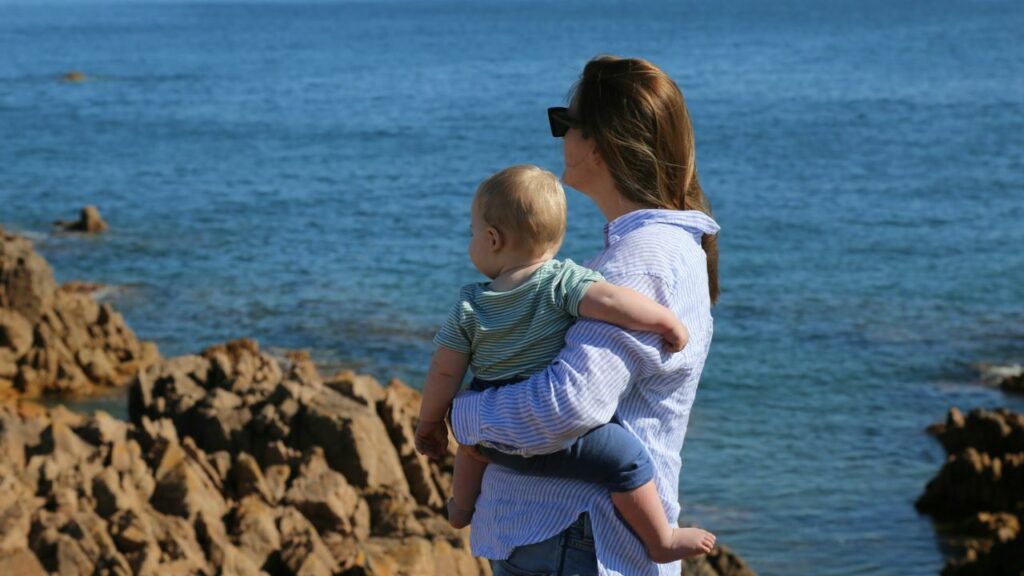
O príjemnej dovolenke s deťmi sa často rozhoduje ďaleko skôr, ako prídete do hotela. Presuny nastavujú tempo aj náladu celej cesty. A práve preto sa im oplatí venovať viac pozornosti než si väčšina ľudí myslí. Vyrážajte pripravení, ale aj s pocitom, že každá situácia sa dá zvládnuť pokojnejšie, ak viete, ako na to.
J