Djerba Island: A Paradise Created for Relaxation
Explore Djerba, Africa's largest island, nestled in the Mediterranean Sea off southern Tunisia. It offers stunning beaches and a rich history.
 J
J
With 320 sunny days annually, a subtropical climate, clear waters, and expansive beaches, Djerba is a haven for relaxation.
If you're planning a beach getaway, consider Djerba, the largest island in Africa, situated in southern Tunisia. Known as the island of dates, it hosts over a million date palms despite having only 120,000 residents. But Djerba isn't just about its beautiful beaches; it boasts historical sites and the influence of many cultures.
>>> Plan your winter vacation today. Tatranská Lomnica is ideal. It offers beautiful slopes for everyone and a rich après-ski program.
How to Get Here
Travel agencies frequently offer trips to Djerba, a popular destination thanks to its nearly year-round season and welcoming locals. Near the island's capital, Houmt Souk, lies an international airport. From there, resorts are accessible within an hour. The airport is in the north, where most hotels are, offering shorter distances compared to mainland travel.
Independent travelers can reach Djerba by ferry from the Tunisian town of Djorf, arriving at the port of Ajim in the island's southwest.
Djerba is also connected to the mainland by road. The ancient Phoenicians and Romans constructed a causeway that links the towns of Al Quantarah on the mainland and El Kantara on the island, highlighting its historical significance as a trading hub.
When to Visit Djerba
Autumn is ideal for extending your summer. Temperatures are more comfortable than the peak summer, when they can soar past 40°C. Autumn sees minimal rainfall, making it perfect for visiting. In October, temperatures hover around 30°C, occasionally reaching 38°C. Nights are cooler at 19°C, allowing for comfortable sleep without air conditioning. By November, temperatures average 24°C, with peaks at 33°C on warmer days.
Spring is also a good time to visit. If you're tired of the European winter, March can see temperatures rise to 33°C. April averages around 26°C, with highs reaching 38°C.
Summer temperatures exceed 40°C, so spring or autumn is preferable, especially if you plan to explore the desert or tour the island.
Accommodation
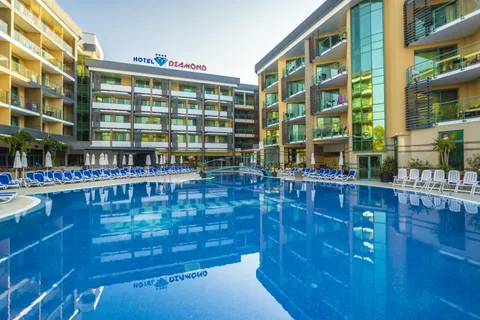
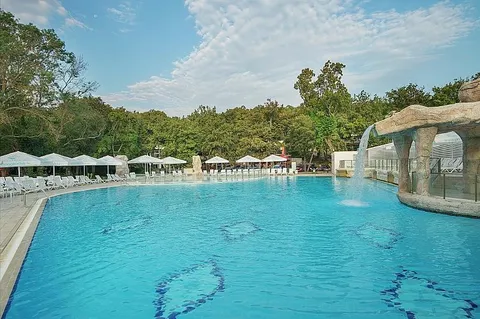
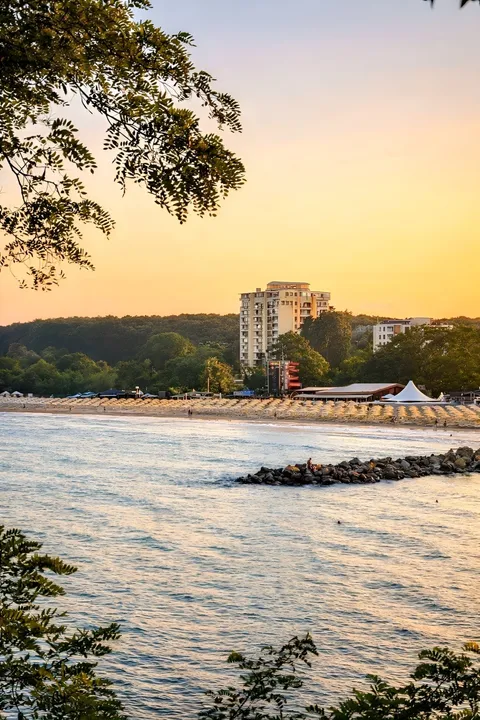
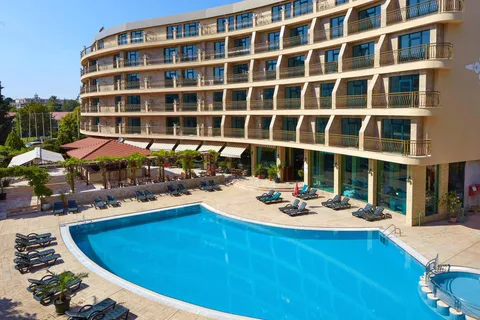
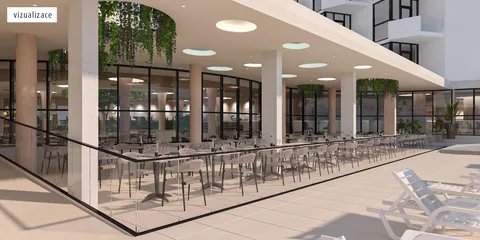
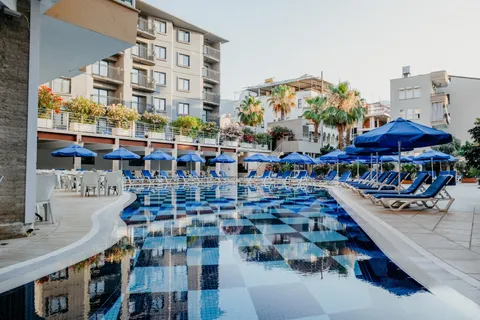
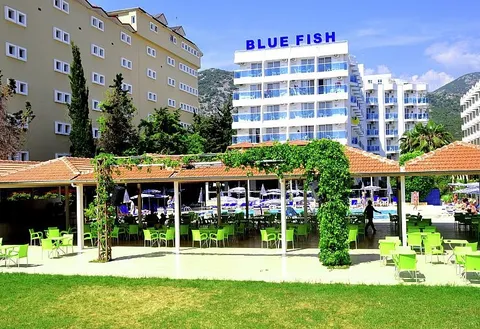
Most hotels are in the island's north and offer all-inclusive services. Opt for at least four-star hotels to ensure comfort and hygiene. These hotels are mostly near wide, sandy beaches. The most popular is Sidi Mahrez in the northeast, known for its beautiful sand and clear sea.
Tunisians are hospitable, often expecting a tip for their services.
Check reviews from other travelers to choose the hotel that best suits your needs.

History of the Island
Djerba's history dates back to ancient times with Berber inhabitants. It later became a trading center, attracting various cultures like the Phoenicians, Romans, Byzantines, and Arabs. Each left its mark, enriching the island's heritage.
In the Middle Ages, pirates used Djerba as a base. Its strategic location in the Mediterranean was ideal for attacking merchant ships.
In the 16th century, the Spaniards and Ottomans contested Djerba, with the Ottomans eventually gaining control. This era introduced new architectural styles and cultural influences, visible in the island's historical sites.
Djerba is also known for its Jewish community, which has a long-standing presence. The El Ghriba Synagogue, one of the oldest in the world, is a major pilgrimage site, reflecting the island's religious diversity.
What to Experience in Djerba
Djerba's rich history makes it a fascinating destination for tourists.
1. Houmt Souk
Experience the Arab world's atmosphere by wandering through this town's narrow streets. You'll find weavers, silversmiths, potters, and basket makers eager to show you their crafts.
The town's name means marketplace. The central market offers an array of scents from exotic spices to fresh fish, alongside handmade crafts. Haggling is part of the experience.
The town's landmark is the fortress Borj El Kebir, built by the Spaniards in the 15th century to defend against pirates. Legends speak of a tower built from defenders' bones after a pirate capture. Today, it attracts history buffs and those seeking scenic views.
2. El Ghriba Synagogue in the Village of Hara Seghira
In this small village, you'll find one of the oldest and most significant Jewish sanctuaries. Legend says it was built in the 6th century BC by Jews fleeing the destruction of Solomon's Temple, with a stone from the original temple in its walls. This draws pilgrims worldwide.
The synagogue's architecture blends Mediterranean and North African styles, featuring a blue and white interior, ornate tiles, and stained glass windows.
During the Jewish holiday Lag Ba'Omer, it hosts a pilgrimage attracting Jews globally.
3. Museum in the Village of Guellala
In the island's south lies Guellala, known for its pottery tradition. The museum allows visitors to observe pottery-making from start to finish.
The museum offers a glimpse into traditional life on Djerba, simulating a Berber village and showcasing local customs, architecture, and artifacts.

4. Djerba Explore Park
Djerba hosts an amusement park where visitors can learn about Tunisian history and culture. The park features a traditional village with craft demonstrations.
The crocodile farm is a highlight, home to over 400 crocodiles. Visitors learn about their lives, with feeding times being particularly popular.
5. Midoun
This small inland town is popular for its shops and cafes, where visitors can enjoy mint tea after shopping. A weekly market offers a unique experience, including camel sales.
6. Djerba Golf Club
Golf enthusiasts will enjoy the 27-hole course designed by British architect Martin Hawtree in the island's northwest. Palm trees, acacias, and sea views create an exotic setting.
The club rents equipment and offers instructor services. A bar, restaurants, and a store for golf clothing and accessories are available.
7. Trip to the Sahara
From Djerba, the Sahara is within reach. Joining an organized tour is safer, but renting a car is an option for the adventurous.
Douz, the Sahara's gateway, offers camel rides, sandboarding, and off-road trips through dunes. It's perfect for those seeking adventure.
Conclusion
Djerba offers relaxation on beautiful beaches. Its climate allows you to extend summer or enjoy a warm spring. Though it may seem "quiet," history, culture, and golf ensure there's plenty to do. Shopping and haggling add to the experience.
J