Discover the Magical Kos: A Vacation with Children
Explore the enchanting island of Kos. This small Aegean Sea island, the birthplace of the renowned physician Hippocrates, captivates visitors with its stunning nature and rich history.
 J
J
Five children and six adults. That was our group this summer on the Greek island of Kos, where we spent two weeks. We booked through a travel agency but didn't just stay at the hotel. We rented a car to explore the island and quickly fell for its beauty. Kos is lush, varied, and filled with unique experiences.
>>> Is Greece calling you too? Here's a guide to the most popular Greek islands with tips on when to visit, how to get there, what to see, and where to eat.
Psalidi
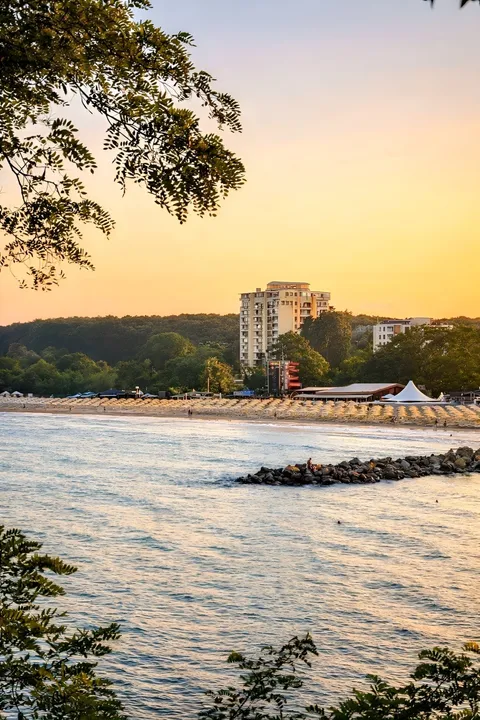
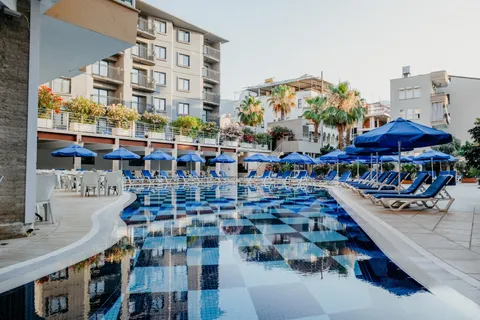
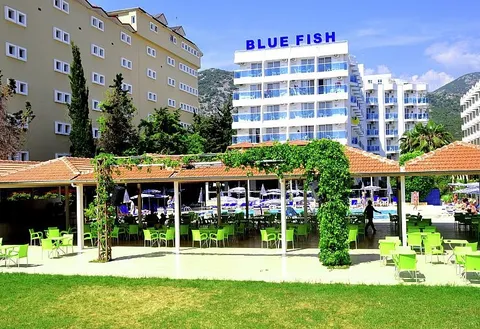
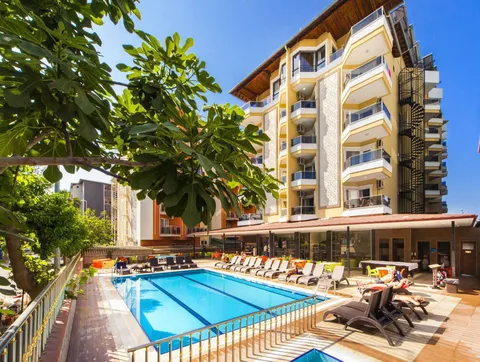
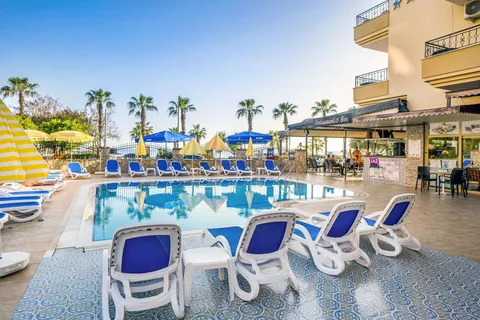
Our hotel, Kipriotis Village, is on the island's northern side, about a 45-minute walk to the capital, also named Kos. Psalidi, west of the capital, is one of the island's wealthiest areas, with many upscale hotels and affluent locals. Our hotel was average but set in a lovely garden. The downside was the understaffed service, with only one or two bartenders at the bars, leading to long waits. After last year's trip to Turkey, where service was impeccable, this was a bit of a letdown, but we adapted 🙂
Psalidi is a nice spot, but be cautious of the sea. If you prefer calm waters, avoid the island's northern part. The waves here are constant, ranging from big to enormous, sometimes tossing us painfully onto the rocky shore. The kids loved it, though, riding the waves on inflatable melons and donuts like a roller coaster.
Our beach was rocky. On the first day, I realized I'd forgotten water shoes. Without them, entering and exiting the sea was painful and slippery. The stones were large, and the shoes we bought at the hotel shop fell apart after two weeks.

Capital City of Kos
The town of Kos, home to 12,000 residents, is lively. Its harbor and marina are prominent features, with the Onassis family's yacht docked there. Kos charmed them so much that they have a summer residence in the mountains. And it's easy to see why. The island is small yet diverse, with nature's creativity on full display.
Near the harbor, you'll find the remains of a fortress built by the Knights of Saint John in the 14th century. Constructed from marble and stones from ancient monuments, it was used to defend against pirate raids. Today, it houses a collection of ancient statues.
In the harbor, pirate ships offer various cruises, including trips to three islands with open sea swimming, or a visit to the nearby island of Nisyros. More on that later. Cruises to Turkish Bodrum are also popular, taking less than an hour. The Turkish coast is visible from Kos's northern side, and the signal from Turkish mobile operators can be stronger than Greek ones. To avoid a high phone bill, manually select a Greek operator.
Walking along the marina leads to a street filled with shops, bars, and taverns. Cross one, and you're on a sandy beach with calm waters and a gentle entrance. Although more crowded than our hotel beach, the sand was a welcome change, and we spent a pleasant day there. Sunbeds are available for a fee, or you can order something at a bar or tavern to use them for free. We paid a young Swedish woman who came to Kos for a summer job.
City Center
Back in the city center, you'll see traces of ancient Greeks, Romans, Knights of Saint John, Muslims, and Italians. One of the most beautiful buildings is a mosque, damaged in the 2017 earthquake but still impressive. The Italians, who occupied the island from the 1930s until the end of World War II, left behind interesting buildings after a massive earthquake required new construction.
The main square with the town hall, agora, and museum shows Italian influence. Streets are bustling, with tavern owners inviting tourists to sit. Tables line narrow alleys, making an evening stroll through Kos feel like walking between dining tables.
During the day, a frozen frappé is refreshing, a Greek invention. You can also try a frappuccino or kanelada, an iced cinnamon drink.
Hippocrates – The Most Famous Native of the Island
Hippocrates, the most famous ancient physician, hails from this island. In the capital's center stands a plane tree, under which he supposedly taught his students. It looks ancient and fragile due to the 2017 earthquake, supported by an iron structure.
Our Czech guide, Veronika, hinted that it's likely a descendant of the original tree, as no tree lives for 2,300 years. However, this isn't openly discussed, as locals are sensitive about the topic and would be offended by doubts about its authenticity.

Asklepion, The First Hospital in the World
Hippocrates is also linked to another island attraction, Asklepion, one of Greece's best-preserved ancient monuments and the world's first hospital. Located in the forests behind the city, archaeologists uncovered its upper floors after a major earthquake last century.
Treatment lasted four to six months and was free for everyone, including women and men. The cure rate was reportedly very high. I wouldn't mind a healing stay there if I could time travel.
Patients were treated on different floors. The first month was on the lowest floor, focusing on drinking spring water and talking with doctors or priests. Hippocrates believed physical and spiritual health were closely linked. Baths were added on the next floor, emphasizing personal hygiene.
After a month or two, patients moved up another floor. Here, they enjoyed water, wine, and hearty meals. Those with livestock would sacrifice them to Asclepius, who supposedly visited and healed them at night. Whether this was real or due to the wine's effects, we can't know today.
Treatment concluded on the highest floor with meditation and visits to Apollo's temple.
Driving Across the Island
The island is about 45 kilometers long, so you can drive across it in a day, even with stops. The maximum speed limit here is 70 km/h, but it's usually 50 km/h. Follow the signs, as there are no general rules for speed limits in and out of the city.
We set off from the northwest, from Psalidi, to the eastern part of the island, to the Kefalos Peninsula. In the town of the same name, we drove our cars up to the highest peak, which really put them to the test; we barely made it up in first gear. From the top, we were offered a beautiful view of the bay.
Beaches of Kos
From there, we headed to Paradise Beach. The beaches here in Kefalos are not hotel beaches; they are public and sandy. The sea here is completely different from what we had in the north. Even though we were also in the Aegean Sea, it was calm, turquoise, with white sandy beaches. The water is indeed 2-3 °C cooler than in the north, but it was a great refreshment. The kids really enjoyed it here, and we would have definitely stayed all day if we didn't want to explore more places.
We got hungry, so we stopped for lunch at the Taverna by the donkey along the road. At first glance, it didn't look like much, but they cooked excellently. We also had their traditional moussaka. The food was served on paper tablecloths with a map of the island, so we fine-tuned our plans for the rest of the day during lunch.
At the car rental, they recommended Tigaki Beach to us from the northern beaches. They say it is the most beautiful on the island. However, we didn't even stop there. We were deterred by the number of people and the black algae at the entrance to the sea. So we moved on to Marmari Beach and we made a good choice. Right across from the parking lot was a small paid beach Ria's Beach. With the sunbed, we received grapes, there were toys for rent, a buffet with normal prices, and free Wi-Fi.
The sea had waves, but the beach was sandy. Again, we were convinced of the diversity of this small island. And we still had the highlight ahead of us.

Thermes, The Beach at the End of the World
From Marmari, we continued further along the northern side of the island to Psalidi and from there all the way to the far west of the island. The road climbed into hills that formed sharp bare rocks. Again, a completely different world. Kos is a green island thanks to three mountain springs that supply it with water.
We arrived at a sign announcing the end of the road. We parked and set off down a steep dusty path. After about five minutes, we reached the beach. Small pebbles, a nice buffet, sunbeds, and umbrellas. We continued further and came to a place where thermal water springs from the rocks. It has a volcanic origin. By the spring, there is a pond made of stones with warm water. Here you can lie down, warm up, and then cool off in the sea. But you can also find warm currents in the sea, making it ideal for those who feel cold.
In the evening, we let the kids (ages 8 to 3) vote on which beach to return to. And this beach in the inhospitable rocks with thermal water won. So the next day, we spent the whole day at this beach. We rented sunbeds from a lady who has a dream job. In the morning, she managed to warm up in the hot water, then cool off in the sea, and then she was already collecting money for the sunbeds.
We were there all day because the kids enthusiastically snorkeled, there were no waves, and we had trouble getting them out of the water. We only managed to do so when a goat came to investigate the tourists' bags. In the evening, a smaller herd of goats appeared at the top of the rock. At first, they showed us acrobatic tricks, and then they came down and waited for an edible reward for the performance they put on for us.
For us, this was the best beach. Although many would probably disagree, as people mostly stopped here only for a moment and then moved on.
The Village of Zia
Another must-see on Kos is the mountain village of Zia. We came here during the day when it is relatively empty. In the evening, you can hardly find parking here. Everyone comes here for the sunset. The views from here are truly fabulous.
The village lives off tourists, so there are shops and restaurants everywhere. We climbed up to a small church, but it was closed. The views from Zia are really beautiful even during the day. If you like hiking, then it is also a good starting point for a hike.
The Island of Nisyros
One day we went to see the nearby island of Nisyros. The locals told us that it is much more beautiful than the all-praised Santorini. From the port of Manavgat on the southern part of the island, the boat ride took less than an hour. First, we went into the mountains to walk in the crater of an active volcano. The ground did not shake beneath our feet as various articles we read before the trip promised. However, the smell of sulfur was strong, and at times we saw steam rising from openings in the ground.
More than the volcano, we were captivated by the town of Mandraki. Amazing atmosphere, beautiful architecture, almost no tourists. We hiked up to the Panagia Spiliani Monastery, which is small but is said to be one of the most beautiful in Greece.
If you have the opportunity to go there, I definitely recommend Nisyros. At a tavern by the sea, we had an experience not only from the food but especially from the atmosphere. It felt like time had stopped there.
By the way, according to legend, Nisyros is said to be a part of Kos. In the days when the gods fought with the titans, Poseidon cut off a piece of Kos with his trident and buried one of the titans with it. And so, when the volcano or earthquake sounds, it is because this titan is angry.

What to Bring Back from Kos
We brought baklava, olive oil soaps, excellent cooking herbs, and herbal teas for family and friends. On Nisyros, I bought their specialty – almond syrup. The typical drink of Kos is kanelada – iced water with cinnamon syrup. You can find these syrups in almost all shops. You can also buy textiles, jewelry, and fake items of world brands here.
The island of Kos is definitely worth a visit. If you get here, set aside at least one day to walk around and discover its many faces. If you are not a fan of summer vacations, spring and autumn belong to cyclists on Kos. There are bike paths built around the coast that mostly go flat. This is how the Dutch come to spend their vacations here.
J