Common Travel Myths: What Do You Believe?
There are many ideas about traveling that sound convincing but aren't always grounded in reality. Some fear flying, while others think vacations will drain their wallets. Let's explore common travel myths that might be holding you back from new experiences.
 J
J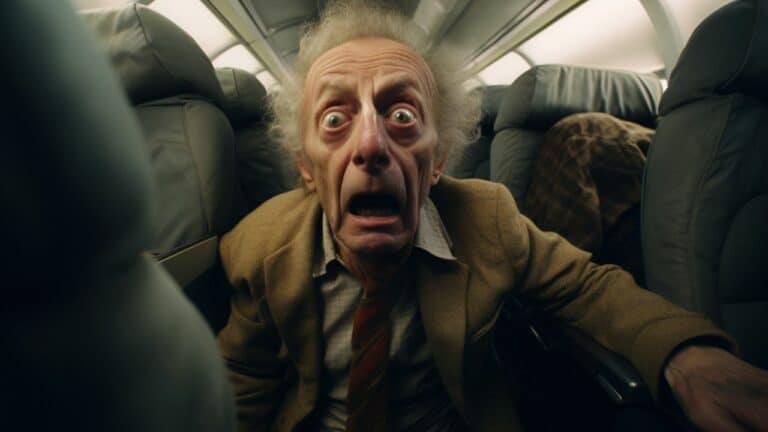
Myth No. 1: Traveling is Too Expensive
This belief is one of the most common travel myths and a reason many people never start planning vacations. It comes from the idea of high expenses, luxury hotels, or a budget only "others" can afford. However, the reality is often simpler and misunderstood.
A cheap vacation today doesn't mean a bad hotel, stress, or discomfort. Much depends on decisions made before booking. Price differences often stem from timing, transport mode, or accommodation type, not the destination itself. Flights play a crucial role, so being flexible with dates or departure locations can lead to significant savings. Traveling outside peak season also helps, as accommodation and service prices drop and destinations are less crowded.
Assuming last-minute vacations are always the best choice can be misleading. This myth doesn't apply to families with children and popular destinations. Here, early booking often leads to a better stay. Families need specific conditions that last-minute deals may not meet, offering more options and peace of mind when planning.
Tip: What should a hotel for a vacation with small children meet?
Traveling doesn't have to be expensive. A vacation can become costly when decisions are rushed, made under pressure, or without comparing options. It's often about making reasonable choices rather than spending the least.

Myth No. 2: Last Minute is Always Cheaper
Do you assume last-minute vacations always mean the lowest price? This idea has long been seen as a simple rule – wait longer to save more. However, travel today is different. Last-minute deals can be advantageous, but usually only for flexible travelers. Those who don't mind the destination, timing, or hotel type and can leave on short notice can find great prices.
As mentioned, this rarely applies to families with children or larger groups. Several factors affect them:
- school holidays,
- availability of family rooms,
- appropriate flight times,
- and comfort.
In these cases, first-minute bookings are often more beneficial. Booking early brings better prices for families, a wider selection of rooms, better dates, and less stress. Popular destinations see family hotels quickly booked.
Tip: Explore first-minute trips with discounts of 30 to 50%.
Flexibility is key, not just price. Traveling outside peak periods or adjusting dates increases your chances of a good deal – whether it's a last-minute or first-minute vacation. The best deal matches your travel style.

Myth No. 3: Traveling with Children is Uncomfortable
Many parents view travel differently after having children. What was once relaxing becomes logistics, planning, and sometimes fear of whether they can manage without stress. This leads to the myth that vacations with children mean chaos, fatigue, and compromises. In reality, preparation is key. Comfort when traveling with children doesn't require luxury hotels or expensive services.
Simple things often make a difference:
- well-timed flights,
- reasonable transfers,
- enough time for connections,
- and family-friendly hotels.
Don't overlook small details like having food on hand, a favorite toy, comfortable clothing, or activities planned for the flight. Stress often arises during transfers, not at the destination. Traveling under pressure, with unrealistic expectations, and without preparation can make minor issues feel overwhelming.
A vacation with children may not go exactly as planned, but it can still be full of experiences, relaxation, and adventures. Often, it's not luxury that matters, but managing the important things.

Myth No. 4: Traveling by Plane is Dangerous
Fear of flying is a common travel anxiety. Some feel uneasy at takeoff, while others avoid flying entirely. Despite knowing air travel is among the safest transport forms, emotions often overshadow facts.
It's understandable. Flying means less perceived control compared to driving. Turbulence, unfamiliar plane sounds, or altitude can trigger anxiety even in those who don't usually feel stressed.
Air travel is one of the safest ways to travel. Modern planes undergo strict safety checks, and crews are trained to handle situations that might seem uncomfortable. Turbulence, while unsettling, is typically a normal flight occurrence, not a danger.
Understanding that fear of flying often stems from unfamiliarity and loss of control, not real risk, can help. Knowing what to expect, having time to navigate airports, and avoiding unnecessary pressure can improve the flying experience. The goal isn't to make everyone love flying but to recognize that such fears are natural. The reality is often calmer than our fears.

Myth No. 5: A Vacation Without a Travel Agency is Always Cheaper
At first glance, it seems logical. If you handle everything yourself – flights, hotels, transfers – you should save money. Sometimes this is true, especially if you travel flexibly, off-season, or plan a simple trip.
However, the reality is often more complex. Travel agencies handle large booking volumes, allowing them to secure prices that individuals often can't access. This is especially true for popular destinations, charter flights, or family resorts.
The difference isn't just in price but in what's included. When planning individually, additional costs like luggage, transfers, insurance, parking, or fees add up. What starts as a "cheaper" vacation can end up more expensive.
This doesn't mean a vacation without a travel agency is a bad idea. For many, it offers freedom, flexibility, and the ability to travel at their own pace. It's important to realize that the best solution isn't the same for everyone. Sometimes planning on your own pays off. Other times, a travel agency can save money, time, and stress.

Conclusion
Many travel myths arise from bad experiences, fears, or the unknown. The truth is usually simpler. A vacation doesn't have to be perfect, luxurious, or meticulously planned to be enjoyable. Much of the stress comes not from traveling itself but from striving for perfection and fearing things that haven't happened.
J