Monastir: a historical gem on the coast of Tunisia
Monastir, a vibrant gem of Tunisia, enchants with its ancient streets meeting the beauty of the coast, offering a mix of breathtaking history and natural charm.
 J
J
Monastir, a historical gem on Tunisia's coast, is a must-see for those drawn to its past, culture, and natural beauty. The city captivates both sun and sea lovers and cultural heritage enthusiasts. Explore ancient fortresses, mosques, elegant promenades, and bustling markets. Monastir provides a unique experience, transporting you to past centuries while offering modern comfort and luxury.
In the old town, the Ribat stands out as one of North Africa's best-preserved and most significant fortifications. Built in the 8th century to defend against pirates, its ancient walls now offer stunning views of the city and sea. Nearby, the Bourguiba Mosque showcases rich Islamic heritage.
Monastir enchants with its history and the friendly atmosphere and hospitality of its locals. Wander through local markets, savor traditional Tunisian dishes, and relax on beautiful beaches. These experiences are just a glimpse of what this unique city offers.
Explore Monastir's hidden treasures and experience the uniqueness of this stunning destination.
>>> Looking for a weekend getaway from Slovakia? Discover what to see in Montenegro.
From the past to the present
The area of present-day Monastir has been inhabited since prehistoric times, as evidenced by archaeological finds. In ancient times, the Phoenicians, an ancient maritime civilization, passed through the city, naming it Ruspina (Ras Zawiya in Slovak). Its residents aided Hannibal Barca against the Romans in the 3rd century BC. After the Punic Wars, the city became part of the Roman province of Africa Propria and gained the status of a free city.
In 46 BC, it was the first African city to support Julius Caesar. With local soldiers' help, he fought against Pompey in Africa. Monastir gained great popularity after this event among many other Romanized cities in Africa.
After the Roman Empire's fall, the Byzantine Empire controlled the city, establishing a monastery, leaving only the name Monastir, from Greek “Monasterion.” When the Arabs conquered the area, a fortress Ribat was built in 796 AD on the orders of the Abbasid Caliph Harun al-Rashid to protect the North African coast from Byzantine and other incursions.
During the Spanish-Ottoman wars of the 16th century, Monastir was targeted by both sides. In 1550, the Spaniards captured it, and in 1554, the Ottomans took over. In 1574, it joined Tunisia, but the Ottomans allowed it self-governance, judicial authority, and a tax office, aiding the city's development. French colonization from 1881 to 1956 influenced the ethnic and religious composition. However, Christians maintain an autonomous community and abbey today.
Monastir is now a significant university city, with students making up about one-fifth of its population. Along with Sousse and Sfax, it has become an important port for trading olive oil. Since the mid-1960s, it has been a major center of tourism in Tunisia.
The President's City
Monastir is also known as the “President's City”. Its significance grew in the 20th century as the birthplace and home of Tunisia's first leader – Habib Bourguiba.
Born in 1903 in Monastir, Habib Bourguiba was a key figure in Tunisia's history. He played a crucial role in the fight for independence from French rule. After studying in Paris, he returned home to begin his political career. His charisma and ability to mobilize the masses propelled him to the forefront of the national independence movement. After a long struggle, Tunisia gained independence in 1956, and Bourguiba became president.
During his rule, many significant reforms were implemented, modernizing Tunisia and ensuring its stability and development. He made significant progress in education, healthcare, and the economy, earning respect and admiration both locally and internationally. His government, which lasted until 1987, left a lasting legacy, and he is still honored as a national hero in Monastir.
The Gem of Monastir
The most significant monument in Monastir and the oldest Islamic fortress in Tunisia is the Ribat. This monumental fortress dates back to the 8th century. It once served as a defensive bastion against Mediterranean incursions. The fortress, combining military and spiritual functions, was home to the murabits – warriors who lived and prayed there. The Ribat is a prime example of Islamic military architecture and retains its impressive atmosphere.

The history of the Ribat includes interesting events and legends. One famous legend says the fortress was built based on a vision of Caliph Harun al-Rashid, who saw it as ideal for protecting Islamic territories. Over the centuries, the Ribat served not only as a military fortress but also as a place of enlightenment and education. Many renowned scholars and religious leaders spent time within its walls, contributing to its reputation as a center of learning and spirituality.
The Ribat is now a major tourist attraction. It draws visitors with its fascinating architecture and history. A walk along the fortress walls, ending with a breathtaking view of the sea and surrounding landscape, captivates every visitor. Curious travelers can explore rooms that once housed warriors and monks, imagining life in this impressive complex. The Ribat is a witness to history that must be preserved for the future.
10 Interesting Facts about Monastir
1. The Mausoleum of Habib Bourguiba
The mausoleum is the final resting place of Tunisia's first president. It's a monumental tomb containing the remains of Habib Bourguiba, the father of Tunisian independence, who died on April 6, 2000. The mausoleum was built during his lifetime, in 1963, in a modern Arab-Islamic style. Inside, a small museum houses some of Bourguiba's personal belongings.
The impressive building with marble columns and golden domes is a significant place for Tunisians, who honor their leader for his role in independence and modernization.
2. The Great Mosque
The Great Mosque is one of the most significant Islamic sanctuaries. Built in the 9th century during the Aghlabid dynasty, it represents the monumentality of Islamic culture and is an excellent example of Islamic architecture. It features ornate minarets and an inner courtyard that offers a peaceful place for prayer and meditation.

The Great Mosque in Monastir is not only an important religious site but also a symbol of the historical and cultural wealth of the city. Visiting offers a unique insight into the past and provides an opportunity to understand its role in locals' lives.
3. The Old Medina
The Old Medina in Monastir is a fascinating labyrinth of narrow streets, bustling with shops and markets. You can take home aromatic spices, local specialties, handwoven textiles, or traditional crafts. The medina's architecture, with its historical arches, cobblestone paths, and detailed decorations, is a testament to Tunisia's rich cultural and historical heritage. The labyrinth of streets embraced by impressive walls reveals traditional life in Monastir with the authentic atmosphere of a Tunisian market.
4. Habib Bourguiba City Park
This beautiful park, one of the largest public spaces in Monastir, is named after Tunisia's first president. The park offers beautifully landscaped gardens, fountains, and sculptures commemorating important moments in Tunisian history. It's an ideal place for walks, picnics, or relaxation with a view of the Mediterranean coast.
5. The City Museum
Just a short distance from the Ribat, the city museum houses a rich collection of artifacts documenting Monastir's and Tunisia's history and culture. Visitors can see ancient ceramic vessels, jewelry, and religious objects.
6. The Beaches of Monastir
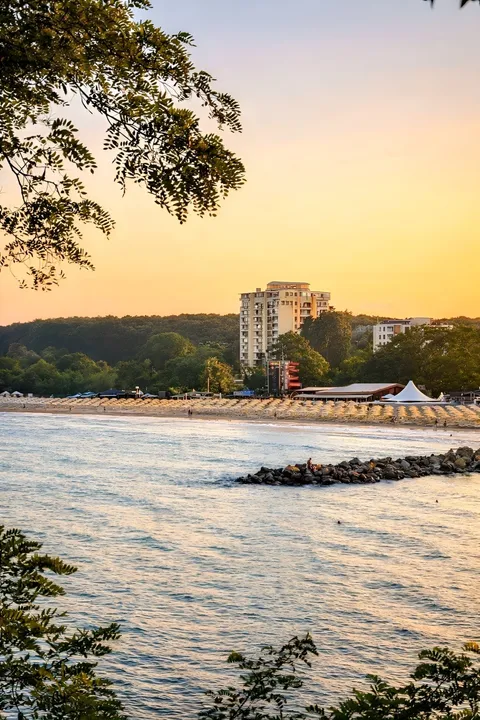
Monastir's stunning beaches are a major attraction. Crystal clear turquoise water and fine white sand are postcard-perfect. Among the most famous is Skanes Beach, a few kilometers from the city center, known for its tranquil atmosphere and beautiful panorama. Monastir Beach stretches right in the city center, offering a vibrant atmosphere with cafes and restaurants. The serene Ribat Beach, surrounded by lush greenery and clear water, is a hidden oasis away from the crowds.

7. The El Djem Amphitheater
One of Tunisia's gems is the well-preserved Roman amphitheater. This ancient arena is one of the largest in the world and the largest in North Africa. Originally, 60,000 spectators could watch exciting gladiator battles. Although it suffered cannon fire in the 17th century, it remains intact today.
8. The Hwanet Necropolis
The Hwanet Necropolis is a significant archaeological site located on islands directly off Monastir's coast. It provides fascinating evidence of ancient cultures that inhabited this area thousands of years ago. The sites date back to the Bronze Age and provide valuable information about burial practices and the daily lives of people from various historical periods.
Excavations have uncovered rare artifacts. Various ceramic vessels, jewelry, and tools reveal technological development, trade relations, and aesthetic preferences of the time. Different types of tombs, from simple pits to complex stone structures with decorative elements and inscriptions, provide insight into the social and religious aspects of the lives of ancient inhabitants.
9. Marina Cap Monastir
In the heart of Monastir lies a modern marina. Besides luxury yachts and fishing boats, it offers visitors a unique view of the Tunisian coast and attracts numerous activities for maritime life lovers. The elegant marina, surrounded by beautiful promenades and luxury shops, is a magnet for tourists seeking relaxation, shopping, and good food.
10. Flamingo Monastir Golf Course
The 18-hole golf course offers an escape from obligations and sports activities right in the heart of the city. The playing conditions are excellent, allowing golfers to enjoy hitting balls in a beautiful setting with a view of the sea and all its beauty.
Conclusion
A fascinating blend of history, culture, beaches, and nature is like a page from a fairy tale that comes to life before your eyes. As you stroll through ancient streets, you are transported to the past, where every step reveals stories of magnificent empires and ancient traditions. As the sun sets behind the horizon and golden rays reflect off the turquoise sea, Monastir promises an unforgettable experience full of enchantments.
J