Should We Be Afraid to Travel? A Sober Perspective
Recent events in the Middle East have sparked fear and uncertainty. Our instinct for self-preservation is strong, so we checked the situation at various destinations to see where traveling remains safe.
 J
J
Turkey, Cyprus, and Egypt, three popular tourist spots, are under media scrutiny due to the unpleasant situation in the Middle East. The conflict is a harsh reality, but it doesn't automatically make the entire region unsafe for travel. The conflict zones don't encompass tourist areas, so let's clarify this step by step.
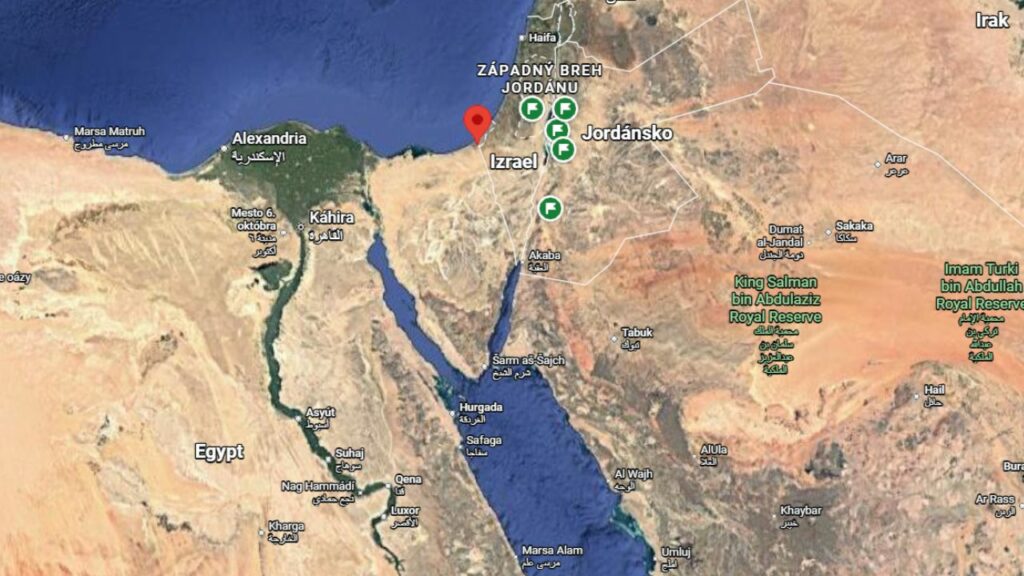
The Middle East is often seen as a single entity, but military actions are concentrated in Israel, Gaza, parts of Lebanon, Syria, and Iran. Tourist spots in Egypt, like Hurghada, Marsa Alam, and Sharm el-Sheikh, lie hundreds of kilometers from the conflict. For instance, resorts along the Red Sea are about 600 to 700 km from the Gaza Strip. The truth lies between media reports and local accounts. The situation isn't as dramatic as sometimes portrayed, but it's not entirely risk-free. Understanding the context and geography is crucial.
Key Facts About Cyprus, Turkey, and Egypt
Cyprus
Cyprus is strategically important due to its British military bases, used by Western countries for operations in the Middle East. These bases predate modern tourism.
When Cyprus gained independence from Britain in 1960, the UK retained two areas—RAF Akrotiri and Dhekelia—which remain British territory.
Mass tourism in Cyprus grew in the 70s and 80s, especially in Ayia Napa, Paphos, and Limassol. Tourists and military bases have coexisted for decades. Most visitors are unaware of the bases, as they are closed zones outside tourist areas, used during conflicts like the Iraq war and for civilian evacuations.
Limassol is about 20 km from RAF Akrotiri, yet tourism has thrived there for decades. Cyprus is mentioned in incidents due to military, not tourist, reasons.
Turkey
Turkey joined NATO in February 1952, during the Cold War, to bolster defense against the Soviets. Its strategic importance lies in controlling access between the Black Sea and the Mediterranean, and its proximity to Russia, Iran, and Syria.
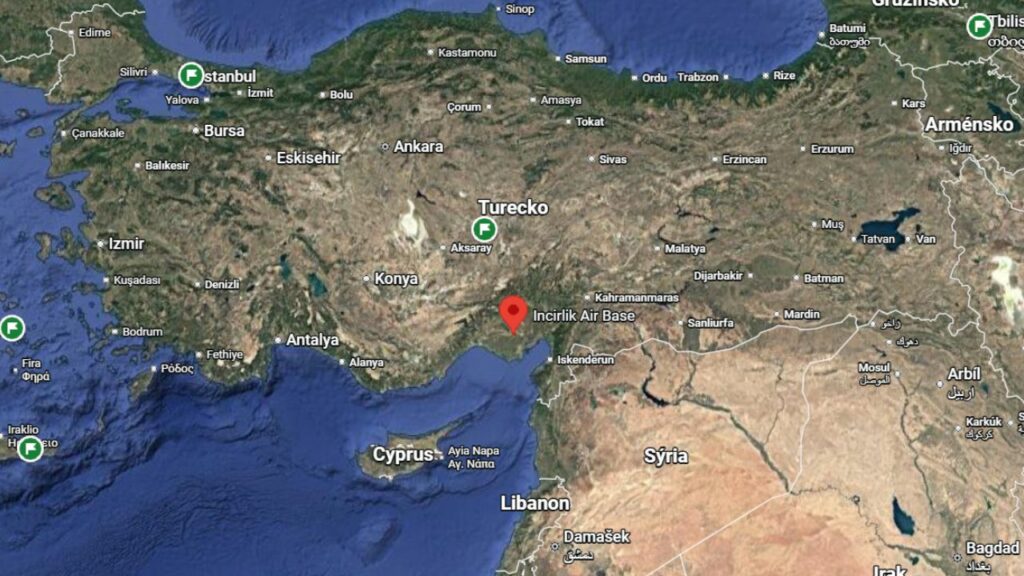
Turkey hosts bases like Incirlik Air Base, serving NATO for over 70 years. Tourist destinations in Turkey are more than 700 km from these bases.
Egypt
Egypt differs as it lacks Western military bases that might be targets. It's mentioned in news due to geography, bordering the Gaza Strip. Humanitarian aid enters through the Rafah border crossing, making Egypt a key mediator in the Israel-Palestinian conflict.
The Gaza Strip has borders with Israel and Egypt. The Rafah border is crucial for aid, evacuations, and diplomacy. Without Egypt's cooperation, aid or ceasefire agreements are hard to implement.
Egypt isn't militarily involved in the Israel-Hamas conflict. Its role is diplomatic and humanitarian, aiming to reduce tension and maintain stability.
Tourist areas like Hurghada, Sharm el-Sheikh, Marsa Alam, and Cairo operate normally. The conflict affects only border areas, such as northern Sinai, a closed military zone.
What Happened in March 2026?
Cyprus
In early March, a drone hit RAF Akrotiri, damaging a hangar without casualties. Other drones were intercepted by British and Greek jets. The incident involved military facilities, not tourist areas. Cyprus was in the news as a logistical hub for Middle East operations, not a vacation threat.
Turkey
Ballistic missiles from Iran targeted southeastern Turkey, destroyed by air defense. Debris fell near the Syrian border, far from resorts like Antalya, Bodrum, or Marmaris. These incidents involved military and strategic areas, such as NATO bases like Incirlik.
Egypt
No missile or drone attacks have occurred in Egypt. The conflict affects it indirectly through geopolitical and economic factors. Tourist areas like Hurghada, Sharm el-Sheikh, Marsa Alam, or Cairo are safe, with conflict confined to border areas, especially northern Sinai near Gaza.
Egypt faces indirect economic pressure—higher energy prices, reduced tourism, and investment outflows—despite not being directly involved. Tourism is vital, contributing about 10% of GDP and providing millions of jobs.
Why Do People Still Fear Traveling and Cancel Vacations?
Fear often stems from media reports and unclear travel advice. Most countries' foreign ministries haven't issued a full travel ban to Egypt or Turkey, only advising caution in border areas.
Tourists' Fear: A Psychological Effect of Media
Travelers' fear often results from a psychological effect of media. News about the Middle East leads people to view the whole region as dangerous, prompting vacation cancellations. In reality, these are localized conflicts, and most countries are functioning normally.
Travel advisories mainly focus on border areas, where tourists rarely venture. Most countries haven't issued full travel bans to Egypt or Turkey, only advising caution in specific areas.
In Egypt, this mainly concerns Northern Sinai near Gaza, the Libyan borders, and parts of the Western Desert, while destinations like Hurghada, Sharm el-Sheikh, Marsa Alam, or Cairo are deemed safe by authorities. In Turkey, advisories focus on areas near Syria, while Mediterranean resorts operate normally.
Commercial and charter flights to Egypt and Turkey continue. Airports remain open, with flight route changes or delays being rare, and no widespread vacation cancellations. Egyptian authorities emphasize tourist zone safety, with enhanced measures at hotels, airports, and archaeological sites.
In short, most tourist destinations remain safe, and travelers' fears often exceed actual risks.
Safety Comparison for Tourists
- Turkey: Safest, incidents involve distant strategic areas.
- Egypt: Safe, main destinations are far from conflict, with a diplomatic and humanitarian role.
- Cyprus: Civilian areas are safe, but the island is geopolitically sensitive.
Tip: Check out our guide to travel insurance.
Conclusion
Traveling has never been entirely risk-free. The key is distinguishing facts from fear. Conflicts in the Middle East are localized, while most tourist destinations operate normally.
Turkey and Egypt remain relatively safe for travelers, while Cyprus is slightly more sensitive. Fear is natural, but it shouldn't be the sole factor in vacation decisions. Follow official recommendations and consider geographical context.
J