Avoiding Vacation Pitfalls with Kids: Key Tips
Traveling with kids doesn't have to be as stressful as it sometimes is at home. On a vacation with children, comfort hinges on small details. While you can't control every unexpected event, being prepared helps you manage what you can.
 J
J
Picture arriving at the airport and everything going smoothly. As a parent, you might think this is impossible—and you might be partly right. However, good preparation before the vacation can significantly reduce the chances of dealing with tired and bored kids, offering you some well-deserved comfort.
Let's explore the details that often determine whether your stay becomes an exhausting cycle or a genuine relaxation.
Small Situations, Big Impact
These may seem like trivial matters that shouldn't have a big impact. However, as parents, you know your children well. Even a little hunger before boarding can increase their nervousness, so remember that not everything can be easily resolved on the go. A vacation with children requires planning—and for good reason.
Hungry Child at the Airport
A small snack and water should always be in your backpack. Airports offer different options, but they might not suit your child's taste. A food break can shorten waiting times and prevent discomfort from escalating into unpleasant situations. Hunger and fatigue are issues children can't easily ignore.
Long Waiting
Delays, lines, and longer-than-expected transfers are unpleasant for us too, but we can handle them. Children haven't developed this ability yet, so they quickly lose focus, get bored, and become frustrated. Such situations can change the family's mood. Consider ways to entertain them and prepare for these scenarios at home in a way that suits your children best.
Chaos During Transfers
Children rely on you in every situation. When they feel safe and calm, they can manage transfers and minor chaos more easily. So don't just look for transfer options or luggage storage at the airport. Be prepared and have a basic overview of things—even on vacation with a guide. They may advise you, but you are the anchor for your children. They will quickly pick up on your stress and react even faster.
Fatigue and Poor Timing
When flying, sometimes you can't avoid missed sleep and a disrupted routine. Overwhelmed children and exhausted parents—this is part of a vacation with kids. However, there are ways to manage these situations. If possible, avoid arriving at night and too short layovers at airports.
A family vacation requires more patience, but it pays off. Prepare your children for the flight, explain the basic travel plan, and don't forget their favorite toys or suitable clothing. Each of these is a small detail, but together they create a feeling that everything is on track.
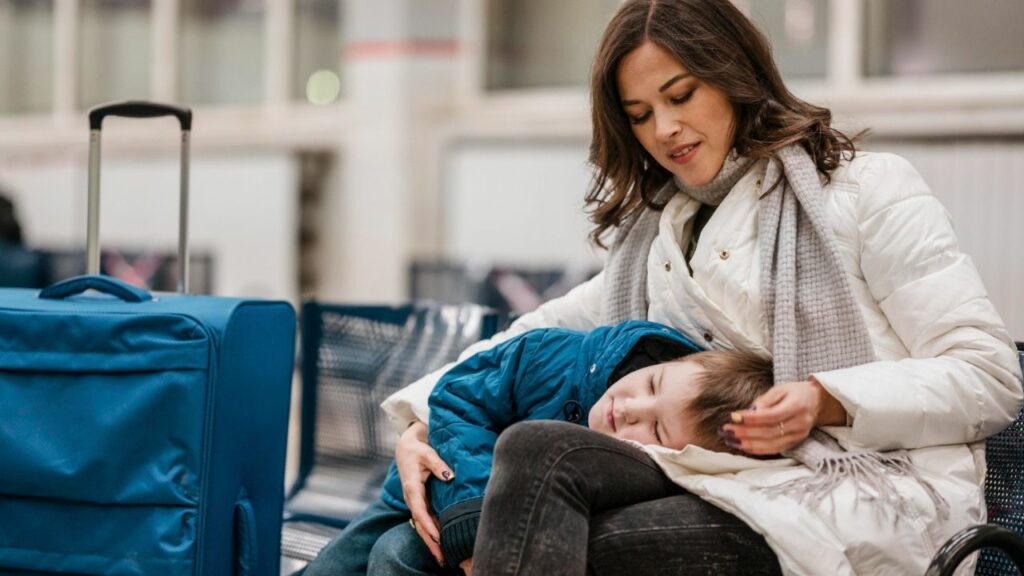
Why Small Situations Cause Big Stress
Nothing happens by chance, and this applies to family vacations too. The reason is simple: children and parents react differently to travel. This creates tension we often don't even notice.
Children Rely on Rhythm, Not Plans
A well-set routine is crucial for children. They need regularity in food, sleep, and environment. When this rhythm is disrupted, it quickly affects their behavior. A bit of fatigue or an unfamiliar environment can make a child irritable or tearful. This is a natural reaction to situations they can't control or understand.
Parents Rely on Control and Expectations
Parents head on vacation with a plan. They know where they're going, what's next, and how the day should unfold. But when things don't go as planned—a flight delay or a longer transfer—stress builds. The more we try to control the situation, the more tension arises.
When these two worlds collide, the issue doesn't stem from the situation itself, but from the different reactions. The child reacts emotionally, while the parent tries to manage things. This is natural. Travel changes rhythm, environment, and expectations, making this combination sensitive. The good news is that most of these situations can be avoided.
Tip: For family vacations, accommodation choice is crucial. Explore verified family-friendly hotels that cater to both children and parents' needs.
What to Watch Out For When Traveling with Kids
Not all situations can be avoided, but you can prepare for them so they don't catch you off guard.
- Avoid minute-by-minute planning—plans are important, but vacations with kids work differently. Allow some buffer time so that delays or unexpected breaks don't disrupt you.
- Account for a buffer—not just in time, but mentally. If you expect something may take longer, you won't be surprised.
- Have "rescue items" ready—a favorite toy, snack, or story. These small things often determine how situations unfold.
- Allow time to slow down—not every moment has to be fully utilized. Breaks have their place too.
- Less pressure means more comfort—when you relax your expectations, many situations won't be problematic.

Conclusion
A vacation with children will never be perfect—and it doesn't have to be. It brings moments you'll remember for years—in photos, in memories, and in knowing you managed it as best as you could.
J