Vacation in Zanzibar: Land of White Sand and Azure Sea
For Slovaks and Czechs seeking a tropical paradise with a touch of adventure, Zanzibar offers an ideal getaway. This article covers all aspects of planning a trip to Zanzibar, from the best travel times to must-see attractions, ensuring your vacation in Zanzibar is unforgettable.
 J
J
If you're dreaming of a vacation filled with exoticism, cultural gems, and beautiful beaches, Zanzibar is the destination for you. Situated in the Indian Ocean, this island combines stunning nature, fascinating history, and vibrant cultural experiences. For Slovaks and Czechs eager to experience a tropical paradise with a spirit of adventure, Zanzibar delivers everything you could wish for. This article covers all aspects of planning a trip to Zanzibar, from the best travel times to must-see attractions, ensuring your vacation in Zanzibar is unforgettable.
Traveling on remote and less frequented routes often involves layovers at the airport. To ease your concerns, we offer some tried and tested tips.
Basic Information
Zanzibar, also known as the Zanzibar Archipelago, is a unique piece of exotic paradise in the Indian Ocean off Africa's eastern coast. This semi-autonomous territory of Tanzania consists of two main islands, Unguja (often called Zanzibar) and Pemba, along with several smaller islets. Between these islands lies a fascinating world full of natural and cultural treasures. Every year, Zanzibar attracts thousands of tourists eager to hear the rustle of palm leaves and the sound of the turquoise sea, and who want to discover the treasures the island has to offer.
When to Travel?
Zanzibar's tropical climate keeps temperatures high, rarely dropping below 25 °C, making it a popular year-round destination.
The ideal time to visit is during the dry season, from December to February. This period features lower humidity and minimal precipitation, enhancing your Zanzibar vacation. If you want to explore the underwater beauty of the Indian Ocean, the dry season is perfect for diving or snorkeling. Low humidity and pleasant temperatures also make exploring local culture and natural attractions comfortable and enjoyable.
Even outside the dry season, Zanzibar remains an attractive destination. During the rainy season, from March to May and October to November, short but intense showers often bring refreshment and variety to the tropical environment.

Documents and Visas
To enter the country, a visa is required; Tanzania offers electronic visa issuance. Slovak citizens (including children) must have a passport valid for at least 6 months from the date of arrival. More information on visas and required documents is available at the Ministry of Foreign Affairs.
Accommodation
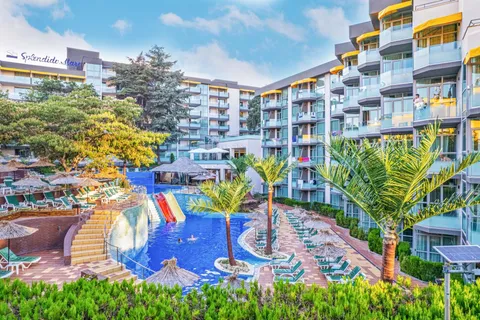
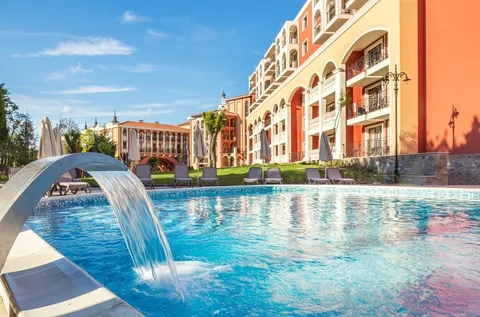
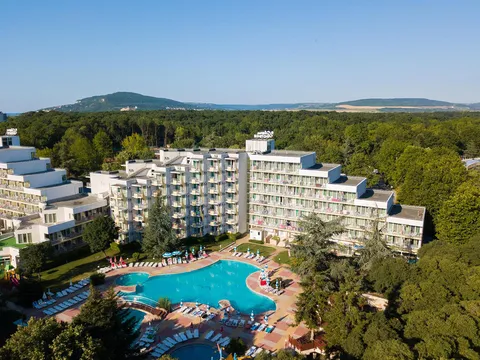
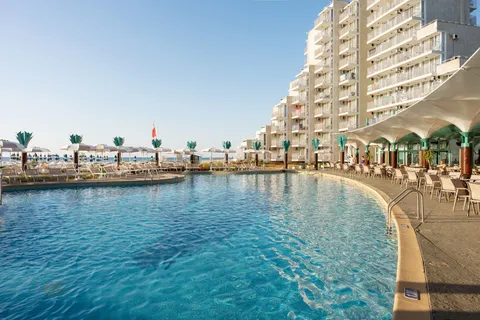
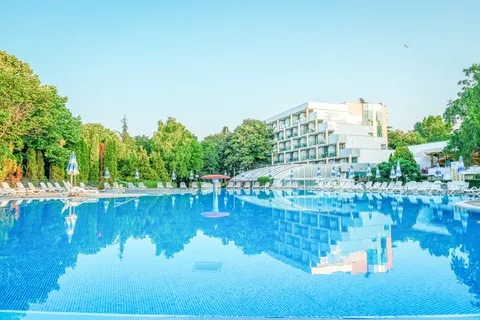
Accommodation in Zanzibar caters to every traveler. For beachfront relaxation, consider beach resorts with elegant bungalows and villas offering endless views of the Indian Ocean. These resorts often provide amenities such as pools, wellness centers, and restaurants with rich culinary experiences.
Those interested in history and culture may prefer staying in historic Stone Town. Here, travelers can find traditional hotels and guesthouses with an authentic atmosphere and unique character. Regardless of your preferences, book your accommodation in advance, especially during the tourist season.

Top Places to Visit
Stone Town
Stone Town, the historic center of Zanzibar, draws travelers worldwide with its unique architecture blending Arab, African, European, and Indian influences.
The city is rich in historical landmarks, including palaces, mosques, museums, and markets that reflect Zanzibar's history and culture. Notable sites include the Beit-el-Ajaib (Palace of Wonders), Slavery Museum, and Beit-el-Sahel (Sultan's Palace). Walking through Stone Town's narrow streets reveals hidden treasures of this historic city. Every corner offers something new, transporting you to ancient Zanzibar. It's no surprise this part of the city is a UNESCO World Heritage Site.
Zanzibar is famous for its stunning sunsets, and Stone Town is no exception. In the evening, watch the sun set over the Indian Ocean with your partner or family.
Forodhani Gardens
The Forodhani Gardens are known for their traditional markets and stalls offering local food. Here you can taste Zanzibar specialties like fish and seafood, grilled meat, samosas, and other traditional dishes. Observe how locals live and interact with visitors worldwide.
In the evening, this place becomes a vibrant nightlife hub of Stone Town, hosting events that attract people of all ages.

Nungwi and Kendwa Beaches
Nungwi and Kendwa beaches rank among the island's most beautiful and popular, stretching for miles along the coast. They are famous for their stunning white sand and turquoise water. Both are ideal for relaxation, swimming, diving, and watching sunsets.
Despite their popularity, both beaches remain relatively peaceful and relaxing places. You can escape the hustle and bustle of city life and truly unwind in a pleasant environment.
Jozani Chwaka Bay National Park
This protected park is home to rare species of animals, including the endangered red colobus monkeys. These rare monkeys are considered a symbol of nature conservation in Zanzibar.
The park covers an area of over 50 km² and includes extensive tropical forests and mangroves. Walking along the nature trails will take you into the heart of lush vegetation and allow you to discover the island's diverse ecosystem.
The park offers free tours that allow you to learn about the local fauna and flora under the guidance of qualified guides. These tours are ideal for discovering the richness of Zanzibar's nature.

Prison Island
Prison Island has a rich history dating back to the slave trade era. A tour of the island provides insight into its dark past and highlights the importance of the fight for justice and human rights.
The island is full of preserved historical artifacts, including old prison cells, chain shackles, and other items that highlight the harsh life of prisoners in the past. This experience can be educational and inspiring for you and your family.
In addition to its history, Prison Island is home to sea turtles. You can see the turtles in their natural habitat and even participate in their feeding and care.
Zanzibar Spice Plantations
A visit to the spice plantations, where you can taste fresh spices and learn about their cultivation and processing, completes your Zanzibar vacation.
Zanzibar is known as the “spice island,” and its plantations are an important part of the country's history. Visiting these plantations gives you insight into how spices like cinnamon, nutmeg, cardamom, cloves, and vanilla are grown and processed. Besides spices, the plantations in Zanzibar also host various types of plants and animals. You can see banana trees, coconut palms, avocado trees, and many other tropical plants, as well as birds and other wildlife.
At the spice plantations, you can purchase authentic Zanzibar spices and other local products. This offers a great opportunity to buy souvenirs and gifts that will remind you of your stay in Zanzibar and the pleasant flavors of the island even after you return home.

Food and Specialties
Zanzibar's gastronomy is rich and colorful, reflecting the diversity of cultures and spices that form the basis of local dishes. This tropical cuisine combines Arab, African, Indian, and European influences, resulting in a unique combination of flavors and aromas. When visiting Zanzibar, you should definitely try some of the most popular local specialties:
- Pilau: A dish similar to Spanish paella or Indian biryani. It is spiced rice cooked with meat (chicken or goat), vegetables, and spices such as cardamom and cinnamon.
- Urojo: A strongly spiced and spicy soup, usually with noodles, chicken, seafood, and vegetables, typically garnished with lime and chili peppers. Locals love it for breakfast.
- Mishkaki: Traditional Zanzibar skewers made from pieces of meat (chicken, beef, or goat), marinated in a special spice mix, then grilled over an open flame.
- Zanzibar Sweets: Zanzibar is also known for its sweets, such as kachori (sweet doughnuts filled with coconut and palm sugar), vitumbua (corn cakes), and halwa (sweet porridge made from Arabic nuts and sugar).
- Futari: A vegetarian dish made from a variety of vegetables, such as eggplant, zucchini, spinach, and carrots, cooked with spices and coconut milk.
Conclusion
In Zanzibar, exotic beaches with turquoise water blend with a rich culture, fascinating history, and diverse cuisine with unique spices. This tropical island offers endless opportunities for exploration and adventure, whether you choose to relax on the beach, explore historical landmarks in Stone Town, or taste local dishes at the spice plantations.
J