What to See in Larnaca: Top Attractions and Places
Looking for a city break with lively bars and restaurants, plus tranquil beaches? Larnaca offers rich history and delicious food, making it an ideal choice.
 J

Larnaca, situated on the island of Cyprus, offers a unique blend of cultures. Geographically part of Asia, but politically aligned with Europe, Cyprus presents a fascinating mix of influences. While the northern part is Turkish-administered, the entire island is in the European Union, allowing Turkish Cypriots to hold European passports. This political backdrop adds to Cyprus's allure. Curious about what to see in Larnaca? Let's explore.
>>> Menorca is a Spanish island with some of Europe's most beautiful beaches, bays, and views. Discover its charm with us.
Cyprus – The Island of Love
According to Greek mythology, Aphrodite was born on Cyprus, the Mediterranean's third-largest island, earning it the title the island of love. With over 10,000 years of history, Cyprus is a destination for both romantic and family vacations. Larnaca, located in the southeast, is home to the international airport and a port, serving as a gateway to Cyprus.
Larnaca, the island's third-largest city, has a population of 75,000. The cityscape mixes small houses with modern buildings, reflecting the island's contrasts. While it may not be Cyprus's most beautiful city, Larnaca is certainly worth visiting.
When is it Worth Visiting Larnaca?
Larnaca is a year-round destination, depending on your interests. For a summer beach holiday, visit between May and October. For historical sites and city exploration, the rest of the year is ideal. January is the coldest month, with temperatures around 16°C, and the sea slightly warmer.
Larnaca offers stunning beaches, a bustling city life, historical monuments, and rich history.
How to Get from the Airport to the City Center
The airport is just six kilometers from the city center. You can take a bus or taxi. Upon arrival, stretch your legs with a walk along the seaside promenade. Enjoy a snack from the stalls, bars, or ice cream shops lining the palm-tree-lined path.

What to See in Larnaca?
Beaches and Promenades
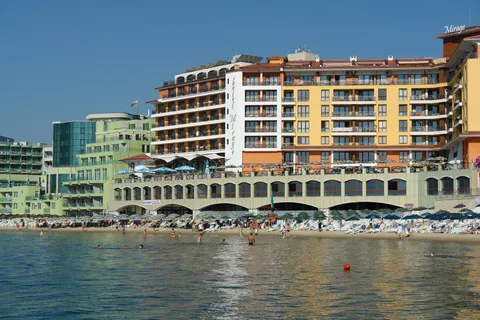
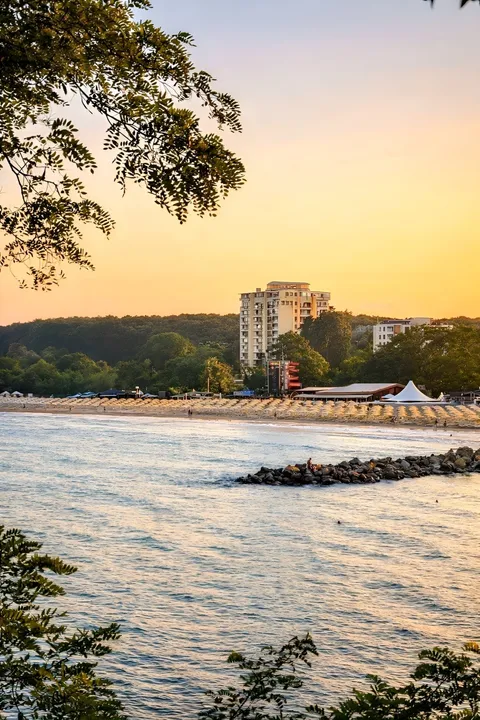
Larnaca is renowned for its beaches and promenades. Finikoudes Beach is famous for its fine sand and clean, shallow waters. Located in the city center, its name comes from the Greek word for small palms, which line the promenade.
You can enjoy beach sports like volleyball, windsurfing, or jet skiing. The promenade is lively with bars and taverns that become entertainment hubs at night, often featuring live music.
Another must-see is Mackenzie Beach, near the airport. Here, you can watch planes while enjoying the beach and its sports facilities.
The Wreck of the Zenobia
The MS Zenobia sank off Larnaca's coast in 1980 on its maiden voyage. Now a top diving site, it attracts divers worldwide eager to explore this underwater marvel. It's considered one of the world's top 10 diving attractions.
Historical and Sacred Monuments
Cyprus's strategic location has given it a rich history. Evidence shows humans have lived here since 8,000 BC, making it rich in historical sites, and Larnaca is no exception. Here's what you must see in Larnaca.

Kition Archaeological Site
The ancient kingdom of Kition was founded in the 13th century BC. Initially settled by the Mycenaeans, it later became home to the Phoenicians, who left behind the temple of the fertility goddess Astarte. Egyptians, Greeks, and Romans also inhabited it.
Kition was a major port exporting agricultural products to the eastern Mediterranean, Egypt, and the Aegean Sea.
Visitors can explore the remains of temples, dwellings, and tombs. Find opening hours and admission details here.
Church of Saint Lazarus
One of the island's most beautiful churches, built in the 9th century and renovated in the 17th century. It has three aisles, and Lazarus, whom Jesus resurrected, settled in Cyprus as Kition's first bishop. The church houses a reliquary with his remains and a richly decorated iconostasis.
Church of Panagia Faneromeni
This charming church is set in lovely gardens. For those seeking peace, it's a must-visit. Built in the 9th century, it has undergone several renovations, the latest in 2005. The interior features enchanting mosaics.

Crusader Fortress
Also known as Larnaca Castle, this fortress now houses a museum. It once protected locals from pirates and enemies and later served as a prison.
Constructed from local stone, the fortress's architecture reflects Cyprus's varied historical influences. Visitors can explore its rooms and courtyard.
The museum features historical artifacts, including weapons and pottery, documenting Cyprus's rich past. From the fortress's top, enjoy stunning views of Larnaca and the sea.
Peirides Museum
Cyprus's oldest private museum, founded by the Peirides family's passion for Cypriot culture and history. Artifacts are displayed in their beautiful 18th-century colonial-style residence.
This aristocratic family collected invaluable artifacts, documenting the island's history from the Neolithic to the Middle Ages.
Kamares Aqueduct
Commissioned by Ottoman governor Ebukeir Pasha in the mid-18th century, this aqueduct significantly contributed to Larnaca's development. Originally featuring 75 stone arches, it operated until 1939. It's located on the old town's outskirts.

Nearby Larnaca
Salt Lake
This spot is most captivating in autumn and winter, when flocks of birds, especially flamingos, gather here. It's a popular spot for photographers. The surrounding landscape offers stunning views.
Umm Haram Mosque
This important historical monument and Islamic sanctuary is on the salt lake's shore. It's the fourth most important site in the Muslim world after Mecca, Medina, and Jerusalem.
Named after Umm Haram, the prophet Muhammad's aunt, who, according to legend, died here during an early Arab expedition to Cyprus.
The mosque is set in a beautiful environment with palm trees and gardens. Its architecture, featuring a dome and minarets, is impressive.
Though outside the city, you can walk to the mosque from Larnaca's center.

Gourmet Delights
No visit is complete without sampling local specialties. Try a frappé, an iced coffee popular in Greece and Cyprus. Pair it with baklava, sweet burek, or cinnamon bougatsa for a sweet treat.
For lunch or dinner, savor meze, a selection of small dishes best enjoyed with friends. It includes meats, cheeses, vegetables, and sauces. Also try grilled souvlaki or halloumi cheese, made from goat and sheep milk. If you love eggplant, order moussaka. Kleftiko, or juicy lamb, is also a must-try.
Good food pairs with great wine. Cyprus's wine production has a long tradition, and the local wines are excellent.
So What to See in Larnaca?
- Finikoudes and Mackenzie Beach
- Wreck of the Zenobia – for divers
- Kition Archaeological Site
- Church of Saint Lazarus
- Church of Panagia Faneromeni
- Crusader Fortress
- Peirides Museum
- Kamares Aqueduct
- Salt Lake
- Umm Haram Mosque
J