Handling Vacation Disruptions: Flight Delays and Hotel Complaints
A ruined vacation can quickly turn expected relaxation into stress and chaos. Flight delays, hotel issues, or unexpected complications are situations that more people experience while traveling than we think. However, it is important to know how to handle them as effectively as possible.
 J
J
Vacations should mean relaxation, but that's not always the case. Flight delays, unsuitable hotels, or service problems can dampen your mood even before you check in. In such moments, stress and chaos can take over. Unfortunately, these issues are common, but they can be resolved calmly—especially if you know your rights.
Flight delay: what to address first?
Flight delays are a frequent travel complication, often causing uncertainty. This is especially true if you have a connecting flight, a reserved transfer, or tired children. Plans may seem to crumble, but often only in our minds.
Avoid panic and don't try to solve everything at once. Many people immediately search for new flights, call hotels, and imagine worst-case scenarios. Instead, calm down and address problems thoughtfully. Get basic information directly at the airport or from the airline.
When your flight is delayed, always check:
- the reason for the delay,
- the estimated new departure time,
- whether it's a short delay or a more significant issue,
- and whether the airline offers an alternative solution or assistance.
The length of the delay often determines your entitlements as a passenger. For longer delays, this may include refreshments, accommodation, or even financial compensation. Document everything, as even small details can be crucial for a complaint or compensation request.
From the beginning, keep:
- boarding pass,
- flight confirmations,
- emails from the airline,
- screenshot of changes in the app,
- photos of information boards at the airport,
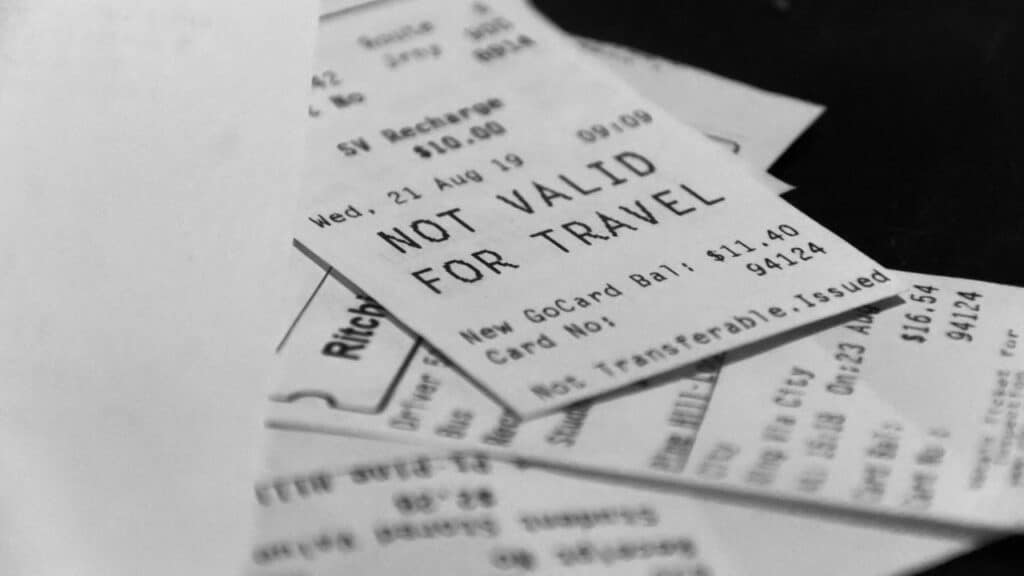
- and receipts for food, water, or other unplanned expenses.
If you're traveling through a travel agency, contact the delegate or customer support. For individually booked flights, address the situation directly with the airline. The more information you keep, the easier it will be to resolve the situation after returning home.
In such cases, remember that a flight delay doesn't automatically ruin a vacation. Many situations seem dramatic initially, but a solution often emerges that is less catastrophic than it first appeared.

When the hotel doesn't match the photos
One major frustration during a vacation often arises upon arrival at the hotel. The booking photos looked perfect, but reality differs. A smaller room, lower standards, noisy environment, non-functional air conditioning, or services that don't match the offer can be disappointing.
If you notice a significant issue, don't let it slide just because “you don't want to create conflicts.” Immediate resolution is often crucial. The longer you wait, the harder it becomes to prove the problem existed from the start. If the hotel or services don't match your booking, stay calm and proceed practically. Specific steps help more than emotions.
From the beginning, you should:
- take photos of the room and problematic areas,
- document non-functional equipment,
- keep your communication,
- and note the time you reported the problem.
Then contact the hotel reception, the delegate, or the travel agency. Many problems can be resolved during your stay by changing rooms, repairing equipment, or other solutions. Often, calm and factual communication is enough. If you booked the hotel independently, communicate directly through the booking platform. Keep all written communication, photos, and documented problems. Without evidence, proving many situations is difficult.
Remember, there's a difference between a real problem and differing expectations. Not every minor issue justifies a complaint. However, if the hotel significantly doesn't meet the paid service, hygiene standards, or booking conditions, addressing the situation is justified. Often, how we approach problems matters most. Calm communication and a practical approach are usually more effective than conflicts upon arrival.

Trip complaint: when does it make sense?
Have you ever thought, “a complaint won't solve anything?” Or do you expect compensation for every inconvenience? Not every minor issue warrants a refund, but some situations justify a trip complaint. These cases usually involve services that don't match what you paid for, or what was in the offer or contract.
It may involve:
- a significantly worse hotel,
- a different accommodation location,
- non-functional services,
- hygiene problems,
- canceled services,
- dangerous conditions,
- or major organizational issues during the stay.
In such situations, don't rely solely on verbal communication or hope that “it will somehow be resolved.” If you want to address the problem after returning home, evidence and documentation are essential. When traveling through a travel agency, if you don't address the problem during your stay, the agency can later argue it didn't have the chance to fix it. It's often best to communicate factually as soon as you discover the issue.
After returning home, keep an eye on the complaint deadline and send the travel agency all documents clearly. The more specifically you describe the situation, the easier it will be to assess the complaint. Don't avoid it because you think the process will be lengthy or unpleasant. Often, it's the politely presented facts that matter, not an emotional outpouring.
Also, have realistic expectations. A vacation will probably never be completely free of minor shortcomings, and not every little thing warrants compensation. However, if the paid services significantly don't match what was promised, addressing the situation makes sense.
Conclusion
Even a vacation that seems ruined at first glance usually has its solution. It is important not to remain in panic, to keep important information, and to address problems gradually and with a cool head. In such a case, flight delays, hotel complications, or trip complaints do not have to mean the complete end of relaxation. When traveling, it is often not a perfect plan that helps, but the ability to remain calm even when things do not go exactly as expected.
J