Traveling with Children: Tips for Airplane, Transfer, and Hotel
Transfers during vacation can be one of the toughest parts of traveling with children. They demand patience and some practical solutions. Learn how to handle the airplane, transfer, and hotel arrival without unnecessary stress.
 J
J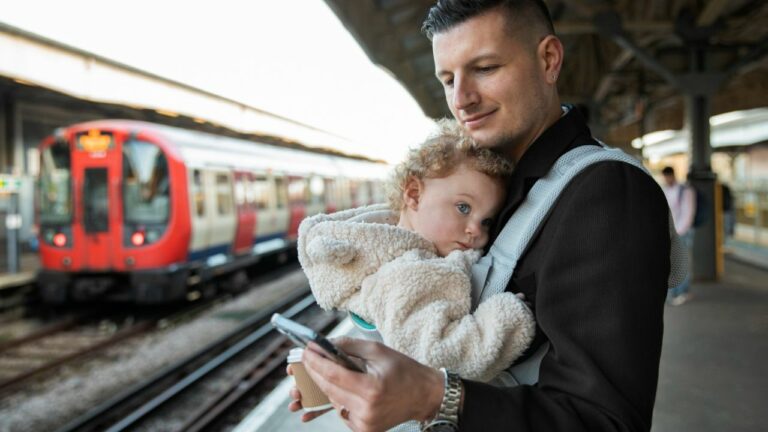
Traveling with children often presents its toughest challenges not at the destination, but during transfers—at the airport, on the airplane, or upon reaching the hotel. A small delay, fatigue, or unexpected chaos can quickly turn a peaceful start to the vacation into a tense situation. However, you can manage these moments effectively by preparing in advance. Often, it's the little things that make a difference. Familiarize yourself with these before leaving home.
Airplane
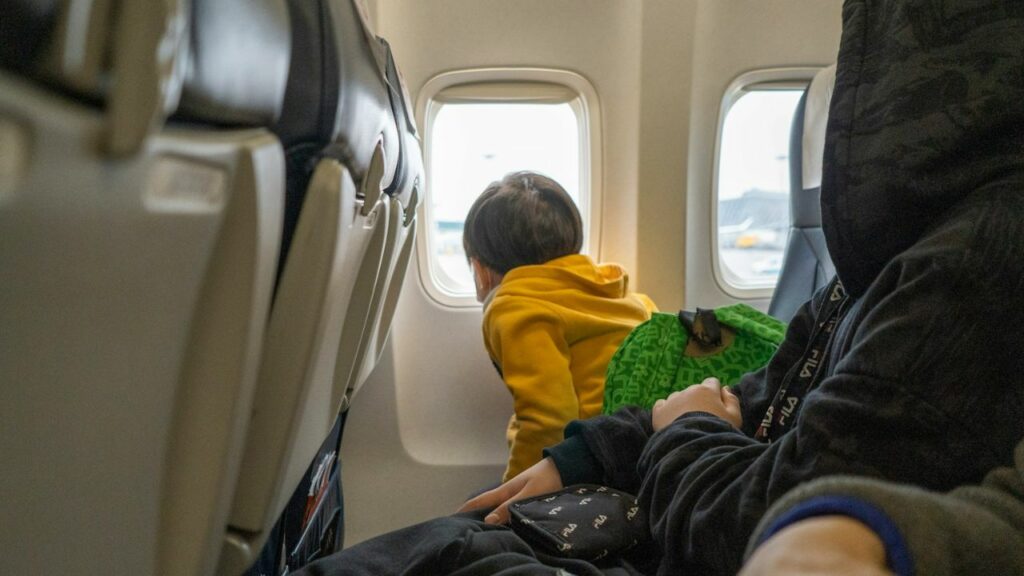
Flying is a new and challenging experience for most children. Changes in environment, limited movement, and long waits in a confined space can test the patience of the entire family. Planning ahead makes a big difference. The most significant impact comes from what you prepare at home, not at the airport.
Get the basics right—seats, luggage, and schedule. If you're traveling with younger children, choose seats next to each other. Briefly explain to the children what to expect. Even a simple idea can help them handle various situations better. Small roles can also help. Assign them a task—like watching the airplane or keeping an eye on their backpack.
What to Pack for the Airplane
Carry-on luggage is crucial when traveling with children. Besides essential items like medications, include:
- small snacks and water
- favorite toys or a book
- spare clothing
- comfort items (a blanket, stuffed animal)
Keep these items accessible so you can grab them quickly. It's not about quantity but the assurance that you can respond to common situations easily and without stress. Even the shortest flight can feel endless to children. Boredom can lead to restlessness, so have a small plan ready. Alternate activities with rest periods—aim to keep their attention without striving for perfection. Don't expect a child to simply endure the flight. With a bit of preparation, flying with children can be much calmer.
Transfer
Upon arrival, parents often underestimate the transfer. Fatigue, a new environment, and waiting can quickly change the mood of the entire group. This is often the point where the day can start calmly or stressfully. Take a moment to orient yourself after arrival. Don't try to solve everything at once; children naturally need a short "transition" between steps.
If you've arranged a transfer in advance, know where you'll be waiting. It might not leave immediately—expect waiting, transfers between terminals, and other brief stops. Save this information on your mobile or have it printed. A small snack, water, or a short break to stretch can make a big difference at this stage. After a flight, children might be tired, irritable, or overwhelmed. That's normal—they're reacting appropriately for their age. The less you push them, the quicker they will calm down. Give them space. A few minutes of rest can significantly change the atmosphere of the next journey.
Arrival at the Hotel
The hotel is usually the final stop of the journey and the moment when parents can finally relax. Ironically, tension can arise here too. Your room may not be ready immediately. During peak season, check-in can take longer than expected. Especially if you arrive before the official check-in time. Exhausted children tend to be more sensitive, so even a small delay can cause crying, anger, or a complete "shutdown."
Don't rush things here either; instead, try to calm the situation. Sometimes a small thing helps—food, a shower, or a short rest. How you handle the first moments after arrival sets the tone for the entire vacation. Don't push the schedule; allow time for food, rest, and gradual settling in.
Simplifying Travel with Children
The stress of traveling with children doesn't come from big problems, but from many small decisions made on the go. Every "what now?" takes energy, which is least available during transfers.
- Fewer decisions on the spot – The toughest moments come when everything happens at once. Children are nervous, something is delayed, and you're trying to find a quick solution. Knowing your steps after arrival and what follows will ease these moments. You don't need a detailed plan, just clarity on the basics.
- Prepare things in advance – Even small items have their place when traveling with children. A snack, a favorite toy, or a prepared program can quickly turn an unpleasant situation around. They act as a "safety net" when things don't go according to plan.
- Have realistic expectations – The biggest change won't come from things, but from your mindset. A vacation with children will likely never be perfectly smooth—and that's okay. The less you expect perfection, the more you allow yourself to be at ease.
Conclusion
A pleasant vacation with children often depends on preparations made long before reaching the hotel. Transfers set the pace and mood for the entire journey. It's worth giving them more attention than most people think. Depart prepared, knowing that every situation can be handled calmly with the right approach.
J