Practical Guide: Bahrain
The small island kingdom of Bahrain stands out in the Persian Gulf. Known for its ancient legends and desert mysteries, it offers a blend of modern skyscrapers and ancient ruins. This island is more than a destination; it's a narrative waiting to unfold.
 J
J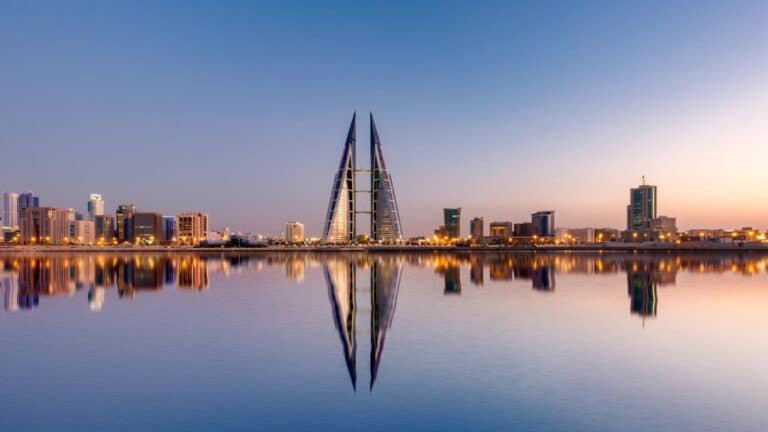
Bahrain offers a unique blend of ancient history and modern vibrancy. You can wander through traditional markets filled with the aroma of spices and sweets, then explore ancient fortresses and temples. As the sun sets over the dunes, time seems to stand still. Bahrain takes you through millennia, from the legends of the Pearl of the Gulf to the luxury of modern hotels and shopping centers.
Explore Bahrain as a story, where every corner reveals its own tale. You'll discover monuments, natural beauty, and unexpected encounters that make you feel part of something extraordinary. Ready to be enchanted by this kingdom? Bahrain welcomes you.
>>> Discover the exotic charm of Oman with its white beaches, turquoise sea, and ancient monuments. Plan a unique vacation and explore this Arabian gem.
When to travel?
Bahrain's dry desert climate is typical of the Persian Gulf region. The best time to visit is from November to March, when temperatures range from 20 to 25 °C. This period is perfect for exploring monuments, strolling through markets, and relaxing on beaches. The mild climate also invites outdoor activities like desert safaris or diving in the Persian Gulf. Various events and festivals ensure there's never a dull moment.

Summers in Bahrain are extremely hot. From June to September, temperatures often exceed 40 °C, with high humidity. If you enjoy the heat, expect to spend time in air-conditioned spaces like malls, hotels, or museums. Summer offers a quieter atmosphere with fewer tourists.
How to get to Bahrain?
Reaching Bahrain is simple. Fly into Manama's international airport, which connects to many global and European destinations, including Slovakia. From Bratislava, the flight takes about 5 hours on a Boeing 737MAX. Bahrain is 1 hour ahead of Slovakia's summer time and 2 hours ahead in winter.

Upon arrival in Manama, you'll need a visa. A 14-day tourist visa with a single entry costs 5 BHD (about 12 €) at the airport. A 15 to 30-day multiple-entry visa is 12 BHD (about 30 €). Payment is by card only. You can also apply for an e-visa from home, though the fee is approximately double. A valid passport is required, with at least two blank pages and no Israeli stamps or visas. It must be valid for at least 6 months after your return.
Getting around Bahrain is easiest by car rental, as public transport is limited. Taxis are available but pricier. Apps like Careem or Uber offer more economical options. Bahrain's small size makes travel between cities and attractions quick and convenient.
Bahrain: the most beautiful places to see
Qal'at al-Bahrain (Bahrain Fort)
Qal'at al-Bahrain is a key historical site in Bahrain, listed as a UNESCO World Heritage Site. Located on the island's western coast near Manama, it has a history spanning over 4000 years.
Once the capital of the ancient Dilmun civilization, it was a major trading hub between Mesopotamia and India. Archaeological findings reveal it wasn't just a military fortress but also an administrative center and trading port. Artifacts from various periods, from the Bronze Age to the Islamic era, highlight its multicultural significance.

The fort stands on an artificial hill, or tell, formed by centuries of settlement layers. Made of limestone blocks, it features massive walls and watchtowers. A modern museum nearby showcases various artifacts and the site's history.
Visiting Qal'at al-Bahrain offers a glimpse into Bahrain's ancient past and the atmosphere of old civilizations. The fort's surroundings offer stunning views of the Persian Gulf, adding to its grandeur. It's a must-see for history and culture enthusiasts.
Al-Fatih Grand Mosque
One of the largest mosques globally, Al-Fatih Grand Mosque can host up to 7000 worshippers. Located in Manama, it serves as a spiritual and cultural center. Built in 1988 in honor of Bahrain's founder, Sheikh Ahmed al-Fatih, the mosque is a symbol of Islamic architecture and tradition.

The mosque showcases modern Islamic architecture, using materials from around the world. Its massive dome, the largest glass dome globally, is made of pure glass fiber. Italian marble covers much of the building, while Austrian crystal chandeliers adorn the interior. Indian teak wood carvings enhance its beauty, emphasizing Islamic aesthetics.
Though primarily a religious site, the mosque welcomes tourists. Visitors can join guided tours to learn about its architecture and Islamic customs. Women must enter covered, with traditional clothing available at the entrance. A visit to the Grand Mosque is essential for those interested in Islamic faith and architecture.
Bahrain National Museum
The Bahrain National Museum, the largest and most prestigious in the country, is in Manama near the Persian Gulf coast. Opened in 1988, it offers insights into over 5000 years of Bahrain's history.
The museum's exhibitions cover various aspects of Bahraini life and culture. The archaeological section displays artifacts from the Bronze Age, including items from burial mounds and sites like Qal'at al-Bahrain. Significant exhibits include ancient clay tablets, seals, and pottery, highlighting Bahrain's historical trade and cultural importance. The collections are enriched by 3D models and videos depicting ancient life.

Another section focuses on traditional Bahraini life, displaying clothing, tools, and illustrations of crafts like pearl diving. Dioramas depict traditional houses, markets, and social customs, showing life before modernization.
The museum also hosts temporary exhibitions featuring local and international art.
Tree of Life (Shajarat-al-Hayat)
The Tree of Life is a fascinating natural wonder in Bahrain. This solitary tree, located in the desert about 10 kilometers south of Manama, is over 400 years old. It's a type of acacia known as Prosopis cineraria.

Its unique location in harsh conditions without a visible water source raises many questions. Some believe it taps into hidden underground water, while others think it has deep roots. Locals attribute magical properties to the tree, adding to its mystique.
The Tree of Life is a popular tourist spot, drawing visitors to admire its resilience and the surrounding desert beauty. It inspires reflection on nature's power.
Amwaj Islands
Amwaj Islands, a modern and luxurious artificial archipelago, lie northeast of the island near Manama. The project consists of seven islands linked by canals and bridges, known for their elegant design and top-tier services. The islands are bustling with luxurious resorts, villas, and apartments, offering stunning views of the Persian Gulf.

For relaxation and fun, Amwaj Islands are ideal. Enjoy the beaches, try water sports, or stroll along the promenades. Food lovers will appreciate the diverse restaurants and local cafes.
Where to stay and what to taste?
Bahrain offers a range of accommodations, from luxurious resorts to cozy boutique hotels, ensuring everyone finds their perfect stay.
For exceptional comfort, consider the luxurious Vida Beach Resort Marassi Al Bahrain 5*. Located by a beautiful beach, it offers quality all-inclusive services. Another great option is the exclusive Address Beach Resort Bahrain 5*, part of the prestigious Address Hotels chain, also offering top-notch services by a stunning private beach.
Bahrain's cuisine is a highlight. Try machboos, a traditional rice dish with meat and spices, often served at celebrations. Harees, made from wheat and meat, is popular during Ramadan. Bahraini kebab and lamb kofta are also local favorites. Refresh with sharbat, a fruit juice drink, and indulge in sweets like baklava or ice cream.
Conclusion
Bahrain is a hidden gem in the Persian Gulf, where desert legends meet modern luxury. In its sands and waters, you'll find a place where time slows, each day brings new adventures, and dreams of islands and cities come true. The Persian Gulf breeze will touch you as the sun sets over dunes and cities. Every corner holds a story waiting to be discovered.
J