Cancelled Flights During International Conflicts: Know Your Rights
International conflicts have highlighted the fragility of travel. Many travelers find themselves stranded, seeking not only a way home but also answers. Discover your entitlements when a flight is cancelled and what travel insurance actually covers in these situations.
 J
J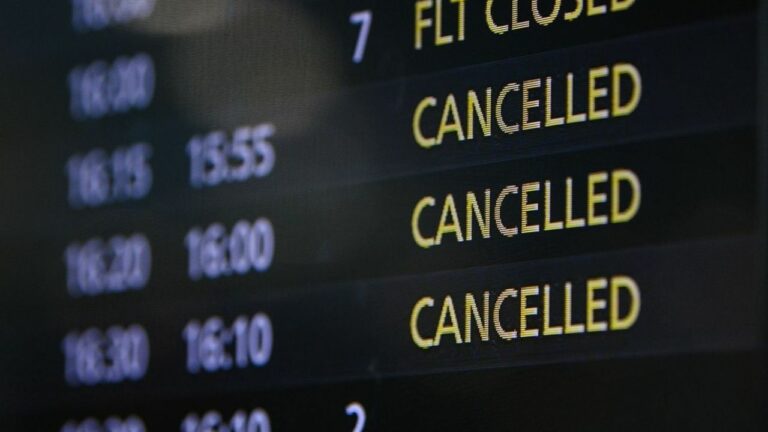
What does standard travel insurance cover?
Travel insurance often doesn't bring catastrophic scenarios to mind. We anticipate enjoyable trips and push aside negative thoughts. But what does "peace of mind" really entail?
Basic insurance typically covers three areas: medical expenses, injuries and acute health complications, and repatriation.
However, repatriation in insurance terms refers to transporting a sick or injured person, not ensuring a return home if a flight is cancelled. Its main role is to protect your health and cover potentially high costs abroad.
If you assumed travel insurance covers a cancelled flight or an unfulfilled vacation, you might be surprised. This is a common misunderstanding among travelers.
Cancellation does not automatically fall under insurance
Cancellation insurance protects your money if you have to cancel a trip for a serious reason. Unexpected events like sudden illness, injury, hospitalization, or serious family matters are covered. However, you must provide proper documentation to the insurance company.
If illness causes you to cancel, you'll need a medical report with the issue date, confirmation of a health condition preventing travel, or proof of sick leave or hospitalization.
Importantly, the illness must arise after the insurance is purchased. If the problem existed before, the insurer might deny the claim. The insurer assesses the seriousness of the event, not your personal decision not to travel.
Fear of travel, war concerns, or security uncertainties usually aren't valid cancellation reasons. An exception might be if authorities issue a travel advisory or airspace is closed.
Conflicts alone often don't justify cancellation. It depends on specific insurance terms. In Slovakia, no unified law mandates insurers to reimburse cancellations due to conflict unless the Ministry of Foreign Affairs issues an official decision.
When signing a contract, pay attention to the conditions you're agreeing to and what the insurer considers an insured event. Some extended packages offer cancellation insurance without a stated reason, but these are pricier and cover only a portion of the trip cost. They must be purchased at the time of booking.

What is the role of insurance in the event of a cancelled or delayed flight?
A cancelled or significantly delayed flight doesn't automatically constitute an insured event. It's crucial to know who holds responsibility – the airline, the travel agency, or the insurance company. For flights departing from the European Union, EU regulations apply to passengers, regardless of the destination. For instance, flying from Vienna to Dubai means these rules apply.
In such cases, the airline must:
- offer a replacement flight or refund,
- provide refreshments during long waits,
- and possibly arrange accommodation if the departure is delayed to the next day.
In extraordinary situations like war, security threats, or airspace closure, financial compensation for a cancelled flight is usually not available. The carrier must offer a return or refund, but is not required to pay compensation if it's an extraordinary circumstance.
What does the insurance company do in such a situation?
Travel insurance typically doesn't cover flight cancellations or ensure a return home without a health issue. However, extended packages might cover additional costs like:
- accommodation during long delays,
- meals during waiting,
- delayed baggage,
- and to some extent, alternative transportation.
Special travel insurance for cancelled flights doesn't replace airline obligations, but can significantly help with costs beyond those obligations – if included in the insurance contract.
Check out our guide to travel insurance.
What if you are flying through a travel agency?
If you booked a package tour, your contractual partner is the travel agency, not the airline. The tour organizer must handle communication with the carrier and assist with your return. If extraordinary events occur before departure, you usually have the right to withdraw from the contract without cancellation fees. Travel insurance still covers health risks, but the tour organizer manages return logistics.

Travel Insurance and War Conflict
Most policies list war or armed conflict as exclusions. This means the conflict itself may not be considered an insured event. Some insurers offer terrorism coverage, which applies to specific incidents, not widespread military escalation. However, if injuries occur, medical expenses, hospitalization, and repatriation are usually covered by basic insurance, depending on conditions.
Insurance companies extend travel insurance for clients stranded abroad 03.03.2026
Due to escalating conflict in the Middle East, causing airspace closure and massive flight cancellations, many insurers have automatically extended travel insurance for clients. Companies like Allianz, Generali, Union, Kooperativa, UNIQA, and ČSOB Insurance have taken this step.
What to do if you get stranded at your destination?
If the situation worsens during your stay:
- follow official recommendations from the Ministry of Foreign Affairs of the Slovak Republic,
- immediately contact the airline or travel agency,
- and keep all confirmations of flight cancellations and incurred costs.
Traveling offers freedom but also reminds us of the world's unpredictability. Understanding your insurance coverage is crucial. It's not a safety net for every situation but primarily protects your health and unexpected medical expenses. The greatest assurance comes from being informed. Know whom to contact, what documents to keep, and where to check current recommendations. True peace of mind while traveling begins with the decisions made before departure.
J