Worldschooling: Children Using the World as Their Classroom
The educational philosophy of worldschooling teaches children through travel and experiences from different cultures, stepping outside the confines of traditional schools.
 J
J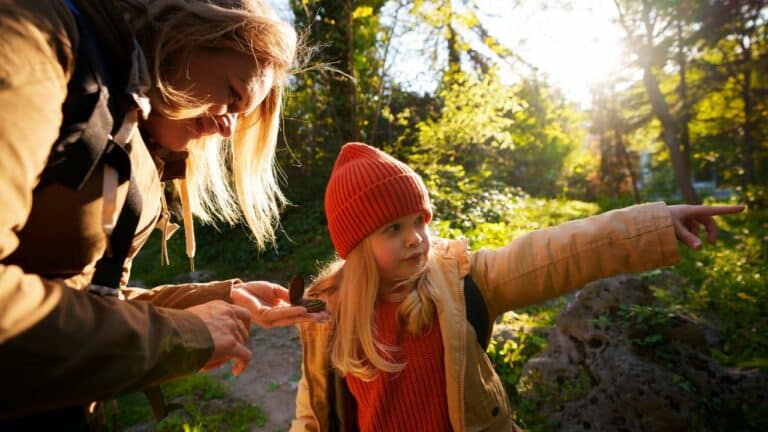
Worldschooling draws educational inspiration from travel. Instead of conventional schooling, adults guide children through the world, enabling them to learn from daily interactions, meet diverse people, and visit museums and natural landmarks.
This alternative to traditional education suggests that a child can receive a richer education by engaging directly with the world and learning through personal experiences. It emphasizes practical learning, critical thinking, and skill development, often lacking in standard school settings.
Emerging in the 20th and 21st centuries, worldschooling evolved as families sought alternative educational methods. It lacks a specific founder, developing naturally as families chose to educate their children while traveling.
American writer Eli Gerzon popularized the term around 2008 through his blogs. Worldschooling has since gained global traction.
It shares similarities with philosophies like Montessori and unschooling, promoting practical learning in real-world settings. These approaches offer children varied experiences and perspectives, driven by their natural curiosity.
>>> Planning your dream vacation but worried it might go awry? Discover what to avoid to make the most of your trip.

Why Worldschooling Can Surpass Traditional Schooling
The core of worldschooling is that children learn from life itself, not just textbooks. With parental guidance, they explore local cultures, traditions, history, and nature. Learning outside the classroom becomes more engaging and memorable than theoretical study.
Education is customized to the child's interests and pace. It can focus on topics that genuinely interest them, rather than rigid curricula.
Traveling teaches children to adapt to new situations, solve everyday problems, and become independent. Worldschooling fosters critical thinking and the ability to handle unexpected challenges, skills often hard to develop in traditional classrooms.
This global perspective helps children develop empathy and an understanding of different cultures and lifestyles. They cultivate a more open worldview and learn tolerance. With worldschooling, children's natural curiosity can lead to a deeper and lasting understanding of various subjects.
Pressure to perform, grades, and tests common in traditional schools are removed, as worldschooling offers a more relaxed environment. Children are assessed by practical understanding and experiences, not grades.
Despite its benefits, worldschooling isn't for everyone. It demands significant time and commitment from parents, as children's futures are largely in their hands. They might excel in practical and social skills but could lack theoretical knowledge if parents don't consistently supplement it. Balancing free learning with essential academic topics is crucial for children to achieve their goals, regardless of the path they choose.

Parents as Educators
In worldschooling, parents often serve as the primary educators and guides for their children's learning. They don't follow traditional teaching models but act as facilitators, creating learning environments, encouraging curiosity, and seeking educational opportunities. Their roles include:
- organizing and planning educational activities
- selecting suitable teaching materials
- finding real-world learning opportunities
- fostering curiosity and encouraging exploration
- seeking experts for specific topics of interest
- creating a supportive learning environment
Countries Supporting Education on the Move
Finland stands out as a progressive country in worldschooling and alternative education. Despite strict oversight, it offers flexibility for parents wanting to educate their children outside traditional schools.
Finland's educational system is renowned for its high quality and innovative approach, often considered among the best globally. It emphasizes equality, flexibility, and support for child development, aligning with alternative education values.

The Finnish educational system believes in providing equal opportunities for all children, regardless of their background. It offers free education at all levels, including higher education.
Finland minimizes stress and competition, fostering children's natural interest in learning. This includes fewer tests and exams. Teachers, who hold master's degrees and undergo extensive training, have the freedom to adapt teaching to student needs, promoting an individual approach.
Students learn to think critically and solve problems, not just memorize facts. Finland values informal and experiential education, embracing worldschooling methods.
Despite its relaxed educational approach, Finnish students are among the world's most educated (according to PISA tests). They are well-prepared for life, becoming creative, critical thinkers and emotionally balanced individuals.
Other countries with a liberal approach to education include The Netherlands, Australia, the USA, New Zealand, and Canada. However, some strictly prohibit worldschooling.
Worldschooling as an Illegal Form of Education
In some countries, homeschooling is prohibited.
Germany's Strict Rules
Germany enforces compulsory school attendance. Homeschooling has been illegal since 1919, requiring all children to attend accredited schools with rare exceptions.

Some alternative schools have advocated for greater educational freedom. Still, families often relocate to more flexible European countries. Violating homeschooling laws in Germany can lead to fines, legal actions, or even child removal.
Scandinavian Contrast
Sweden has strict homeschooling rules. Unlike Finland, which values educational equality, Sweden generally prohibits worldschooling.
Parents can teach children outside school only in exceptional cases, requiring prior approval. Non-compliance leads to fines and legal issues.
While Finland and Sweden are geographically close, their educational rules differ significantly. Finland's model views families as educational partners, while Sweden treats education as a public responsibility, due to centralized state control.
Families preferring worldschooling often choose Finland over Sweden. This contrast highlights how different values shape educational systems, even in neighboring countries.

Worldschooling in Slovakia
Regarding worldschooling, Slovakia offers more flexibility than many countries. While many European states prohibit or heavily restrict these educational forms, Slovakia provides options for parents wanting to educate their children outside traditional schools.
Slovakia allows homeschooling for children from 1st to 9th grade, providing a solid foundation for skill development outside the classroom. Parents must ensure adequate teaching for their child's development.
Homeschooling Rules in Slovakia
Parents can largely choose the methodology without needing special pedagogical training. They are assumed to know which curricula best meet their children's needs. This allows for experiential learning, travel, and practical activities, core elements of worldschooling.
However, certain restrictions apply. Each child must be registered at a base school, which monitors educational progress and provides administrative support. Before enrollment, consider schools open to alternative education. Parents must submit a document outlining a detailed educational plan that aligns with national standards.
Children educated through travel must take exams at the base school at the end of each semester. Creating a plan that accommodates a successful return to Slovakia is crucial for worldschooling families. Regular reports on the child's educational progress, including assessments and development suggestions, are necessary.
Slovaks can pursue worldschooling with minimal legal issues if parents follow homeschooling rules. The country offers a flexible foundation, but be prepared for the bureaucratic process of coordinating with schools and authorities.

Conclusion
Are you ready to educate your children through worldschooling?
Learning on the road should be driven by genuine interest in your children, not just a desire to explore. Well-planned worldschooling strengthens family bonds, creates shared memories, and most importantly, prepares children for the real world.
Children who experience quality education outside the classroom often excel in areas requiring creativity, flexibility, and interpersonal skills. Balanced worldschooling opens many opportunities in life.
J