Flying with a Baby to the Sea? What Not to Forget
Traveling with small children is common today. Planning a trip to the sea with your baby? Learn how to prepare, what essentials to pack, and enjoy your well-deserved rest and sunny days.
 J
J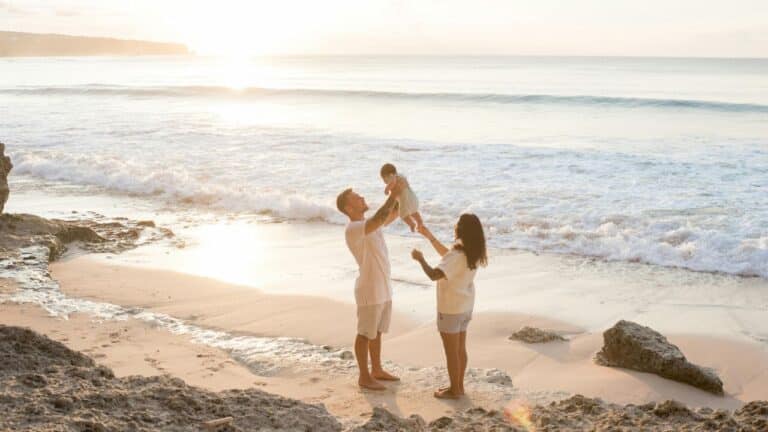
Traveling with children can be a challenge for any parent. To avoid stress and inconvenience, plan ahead and prepare thoroughly. A vacation with small children comes with its own specifics. If you plan to travel with a baby to the sea, there's no need to worry. With some preparation, traveling can be smooth and enjoyable.
Baby's needs should always be the top priority. If you're ready to adapt, don't hesitate to enjoy your seaside vacation with your little one. The sea offers not only relaxation and fun but also health benefits for both you and your child. Here’s how to plan and fully enjoy your vacation with a baby.
>>> You don't have to travel abroad for beautiful scenery, stunning nature, and a wealth of historical monuments. Discover the most beautiful places in Slovakia.
Should You Fly with a Baby to the Sea?
When to Fly for the First Time
When traveling with a baby, experts generally recommend waiting until the baby is at least 6 months old for the first flight. Some pediatricians advise against flying with children under one year old. If you wish to fly sooner, consult your doctor. Infants under three months should avoid flying unless they have necessary vaccinations, as pressure changes in the airplane can be problematic.

If you're heading to the sea with a baby, choose destinations that are relatively close, with flights lasting no longer than 2 to 3 hours. Children under two are usually considered infants and typically sit on a parent's lap, secured with a special belt.
Some airlines offer free tickets for infants, while others charge a fee. If you prefer your baby to have their own seat, you'll usually need to pay the full fare and ensure the car seat is certified for airplane use.
How to Plan the Flight
When booking, consider the choice of seat and check if the airline provides special family seating. An aisle seat is often more convenient, offering more space to maneuver with the baby. It also allows easy access to the restroom without disturbing others.

Remember that the baby needs their own travel document. Always check the passport's validity before your trip, as children's passports have a shorter validity period. For exotic destinations, verify if additional documents like visas are required.
The most challenging times for babies are takeoff and landing due to pressure changes. This can cause discomfort, so it's crucial to help equalize ear pressure. Encourage swallowing during these phases, perhaps by breastfeeding or feeding. For older children, chewing gum or candies can help.
Carry-On Luggage: What to Pack for the Flight
Something to Eat
Baby luggage follows different rules. You can bring both solid and liquid food on board. If you're breastfeeding, there's no need for extra items. For formula, a thermos with hot water is handy, or ask the crew to heat water for you. Be prepared for limited space when changing the baby in the restroom.
How to Keep Boredom at Bay During the Flight
Besides milk, pack fruit, crackers, or favorite snacks. Ideally, schedule your flight during your baby's nap time. If that's not possible, bring toys in your carry-on. New toys can capture your child's attention longer.

Airports and planes are often air-conditioned, which can be risky for babies. Pack warm clothing, a blanket, or a cloth diaper for coverage. A headband or hat helps protect the baby's ears from cold air.
What to Pack When Flying with a Baby to the Sea
Clothing and Sun Protection
Clothing is crucial for a seaside vacation with a child. Since children's skin is sensitive, consider UV-protective clothing. Bring a small beach tent or umbrella, and a hat or head covering is essential.

Pack enough clothing for warm and cool days, a towel, a bathrobe, and various footwear. Use high SPF sunscreen or avoid direct sun exposure.
Extra items for a seaside trip with a baby include regular and cloth diapers, swimming diapers and wet wipes. Consider neoprene swimsuits for babies. Depending on the beach type, water shoes might be necessary.
Fun at the Sea
On the beach, keep your little one entertained under supervision. A small pool is a handy tool, allowing the baby to splash without worrying about waves or saltwater. If you plan to swim in the sea, bring a float or armbands. Don’t forget sand molds and shovels for playtime.

Medications
Essential items in the child's luggage include infant formula, cereals, or favorite purees. Be prepared for the possibility of illness during the trip or minor health issues.
Pack basic medications for fever, pain, or diarrhea, along with cough drops. Many parents recommend a suction device, which is compact and useful if needed. A repellent and band-aids can also be handy.
What Not to Forget When Traveling with a Baby to the Sea
- swimsuit or romper
- UV clothing and cream
- head covering
- medications
- toys
- diapers and wet wipes
- stroller or carrier
- milk and food for the flight
Conclusion
A summer vacation with your little one can bring questions and stress. However, if you choose to go to the sea with a baby, plan ahead to avoid pitfalls and unexpected situations. Consider your destination, weigh the pros and cons, and if you're at ease, your baby will enjoy the flight and seaside vacation with you.
J