Practical Guide: Tenerife
Explore Tenerife, the island of eternal spring, crafted by volcanic forces. Experience its black beaches, towering mountains, and lush rainforests.
 J
J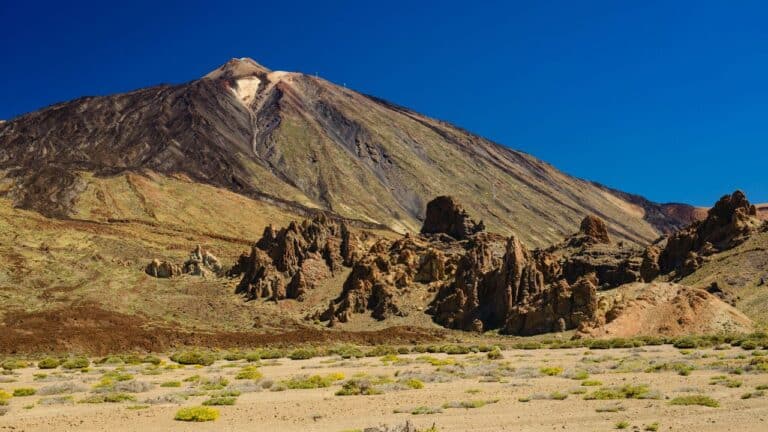
Tenerife emerged over 10 million years ago from a volcanic eruption. Its current form resulted from the merging of three mountain ranges: Anaga, Teno, and Valle de San Lorenzo, all shaped by the eruption of Teide volcano, which dominates the island. The volcano's vast crater is visible from nearly every corner of Tenerife.
Mount Teide stands above the Atlantic as the third largest volcano in the world. For the indigenous Guanches, it's a sacred site. They believe the devil Guayota resides within, trapped by the sun god when he attempted to seize control over heaven and earth. Each eruption is said to be an escape attempt by the devil.
The last eruption occurred in 1909. Since then, Teide has been dormant, offering diverse hiking opportunities.
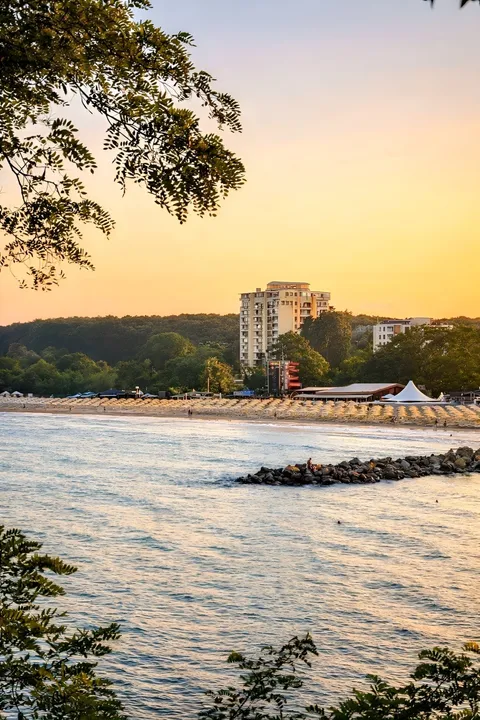
Tenerife is one of the seven Canary Islands and a top holiday destination. Located west of Morocco's southern coast in the Atlantic, its shores are lined with black sand beaches.
>>> Are you an active family? Check out this article for popular family cycling routes across Europe.
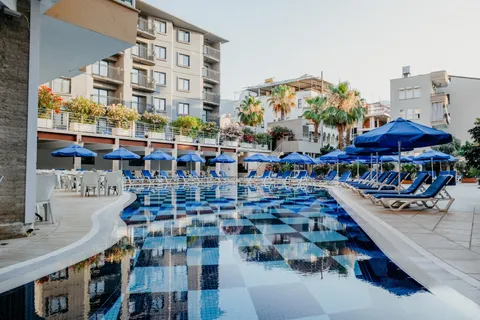
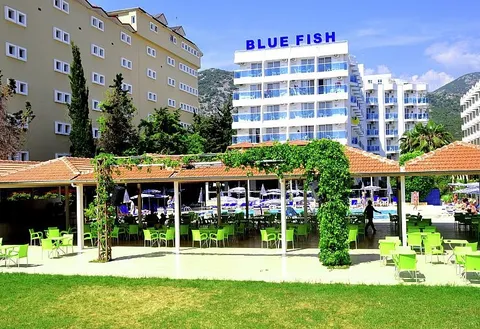
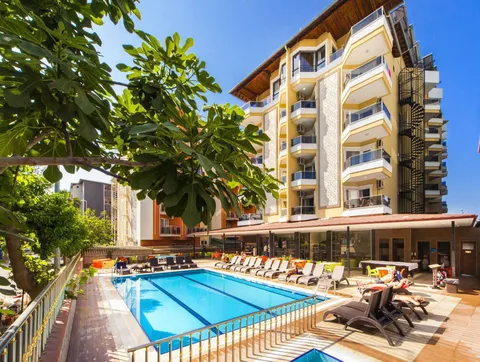
All-inclusive resorts in Tenerife
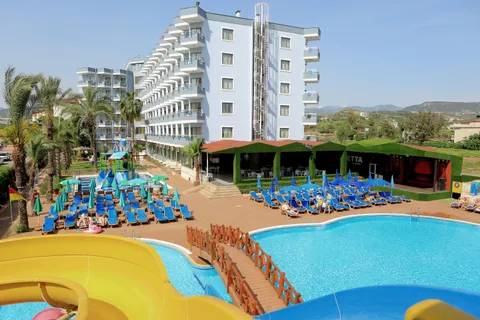
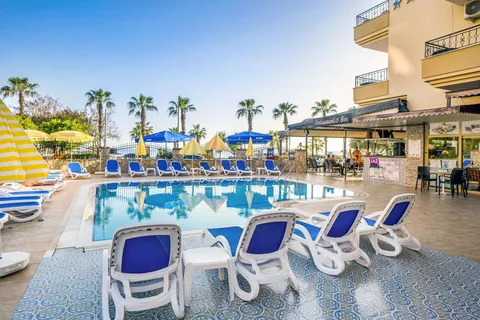
Most tourists head to the island's south, known for its warm, dry climate and well-developed resorts. Playa de las Américas and Los Cristianos are particularly famous for their nightlife.
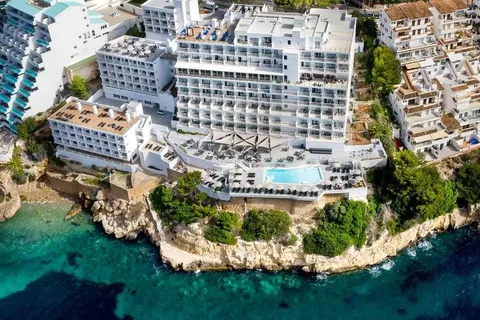
The Canary Parliament has passed a law supporting ecological development, allowing only 5-star hotels to be built. The municipality of Adeje boasts the highest concentration of these in Europe.
The island is a haven for water sports enthusiasts and whale watchers. Several species frequent the deep waters off Costa Adeje.
To truly experience Tenerife's beauty, venture beyond the lively bars and all-inclusive resorts.
Best time to visit
Tenerife, known as the island of eternal spring, enjoys a varied climate. Expect scorching sun in dry areas and refreshing coolness in the highlands. July and August are the hottest months, with temperatures reaching up to 30°C.
In autumn, enjoy warm, sunny Tenerife without the crowds. As the beaches empty, accommodation prices drop.
The island is well-connected internationally, with two airports: Los Rodeos in the north near the capital, and the larger Reina Sofia in the south, one of Spain's busiest airports.
How to get around the island
Renting a car is the best way to explore Tenerife. Prices are low, around 50 euros per week, and can be even cheaper outside peak season.
Be aware that extending your rental by even a day can double the cost. Consider booking in advance from home. Most rental companies are near the airport, but note that many services close on Mondays.
Tenerife also offers a reliable public transport system, making it easy to travel by bus.

Most beautiful places in Tenerife
On this volcanic island, you'll encounter wild mountains, laurel forests, and unforgettable panoramic views. While your itinerary might be set, the most memorable moments often come unexpectedly.
Santa Cruz – the capital of Tenerife
Tenerife hosts nearly a million residents, with about half living in Santa Cruz in the north. The colonial area is well-preserved, showcasing a vibrant mix of architectural styles.
A standout is the Auditorio de Tenerife, designed by Santiago Calatrava, resembling a rising wave. It's situated by the coast, flanked by the Palmetum botanical garden and Playa de las Teresitas beach.
In early spring, the city comes alive with the second largest festival in the world – Carnival in Santa Cruz de Tenerife.
Masca Valley
The quaint village of Masca is a paradise nestled among high rocky outcrops in the northwest. The journey there is surrounded by wild landscapes. Spend a night to fully absorb its unique atmosphere.
Teide National Park
All eyes in Tenerife are drawn to Mount Teide, Spain's highest peak. The surrounding area is a National Park with numerous hiking trails that offer an up-close look at this volcanic landscape.
A dramatic trail winds through volcanic formations and sweeping views. As you ascend, you'll pass pine and laurel forests, arid landscapes, and surreal rusty-red rocks. The park offers easy walks and challenging hikes around the volcanic outcrops of Roques de García and the lava flows of Pico Viejo.
You can reach the summit by cable car or hiking trail.
Starry sky of Teide National Park
Tenerife is one of the best places for stargazing due to its distance from light pollution. The Starlight Foundation has named Teide National Park a "Starlight Destination." At night, you can see 83 of the 88 recognized constellations and the Milky Way with the naked eye.
Garachico – natural pools
For a taste of authentic Canarian life, visit Garachico on the northwest coast. In 1706, a volcanic eruption partially destroyed the town, creating the natural pools of El Caletón.

Los Gigantes – basalt cliffs
West of Mount Teide, Los Gigantes is renowned for ocean life excursions. Here, you can spot various species of whales and dolphins, along with barracudas in volcanic caves. The area is framed by the towering Acantilados de los Gigantes cliffs, rising up to 800 meters, constantly pounded by Atlantic waves.
Puerto de la Cruz – town
Puerto de la Cruz is dotted with volcanic bays and tropical gardens. It houses one of the oldest botanical gardens in the Canary Islands. Jardín Botánico, established in 1788, cultivates and acclimatizes plants from around the world.
The garden features 3,000 plant species, including tropical and subtropical varieties. Besides its beauty, it serves as a vital center for botanical research and education.
Rainforests in Anaga
Yes, Tenerife has rainforests, and they're fascinating. The mountain range at the island's northeastern tip is known for its wild, untouched nature. The Anaga area contains some of the last remnants of the original forest of the Canary Islands.
Laurisilva, a type of laurel forest, once thrived in the warm, humid Mediterranean. Today, it's found in few places, including Tenerife.
The lush vegetation and dense forest growth thrive in high humidity, hosting several endemic animal species. Since 2015, UNESCO has protected this area as a biosphere reserve.
Traditional food
Small boiled potatoes, Papas Arrugadas, served with spicy Mojo sauce, are a Tenerife favorite. Tourists often pair them with wine, once highly sought-after in Europe and frequently mentioned by Shakespeare. The island's volcanic soil is rich in nutrients, perfect for grape cultivation.
Conclusion
Tenerife is also affordable. Plan your visit and embark on an adventure, as the best experiences lie beyond the comfortable resorts. Here, you can observe marine mammals, swim on black beaches, and explore high mountains shaped by volcanic activity over millions of years. The island's unique landscape awaits your discovery.
J