Worldschooling: keď deti používajú svet okolo ako svoju učebnicu
Vzdelávacia filozofia worldschooling učí deti prostredníctvom cestovania a zážitkov z rôznych kultúr. Mimo prísnych pravidiel tradičných škôl.
 J
J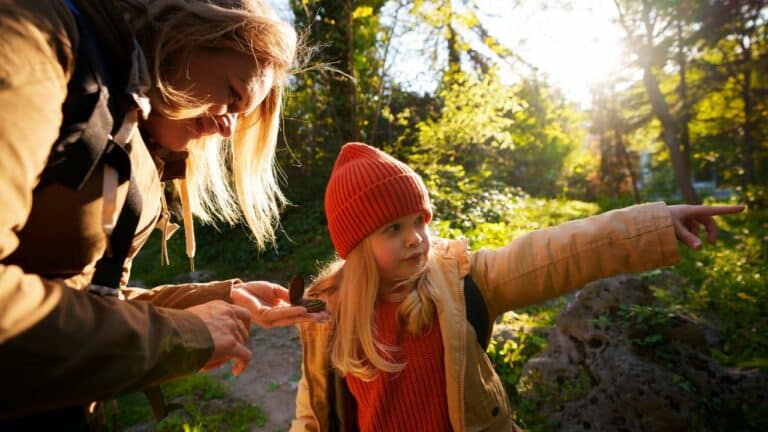
Worldschooling hľadá inšpiráciu a možnosti vzdelávania z cestovateľských zážitkov. Namiesto tradičnej školy dospelí zapájajú deti do sveta, kde sa učia z každodenných situácií, stretnutí s ľuďmi, návštev múzeí, prírodných pamiatok a ďalších príležitostí, ktoré ponúka daná destinácia.
Táto alternatíva bežného školstva hovorí, že dieťa môže získať kvalitnejšie vzdelanie, keď zažije svet okolo seba a komunikuje s ním priamo prostredníctvom vlastných skúseností. Sústredí sa na praktické učenie, kritické myslenie a rozvoj schopností, ktoré je v štandardnom školskom prostredí ťažké rozvíjať.
Tento koncept sa postupne rozvinul počas 20. a 21. storočia v dobe, keď začalo narastať povedomie o alternatívnych spôsoboch vzdelávania. Worldschooling tak nemá konkrétneho zakladateľa a je len prirodzeným vyústením zmýšľania rodín, ktoré sa rozhodli učiť svoje deti na cestách.
Americký spisovateľ a zástanca tohto typu výučby, Eli Gerzon, spopularizoval termín okolo roku 2008 na svojich blogoch. Worldschooling sa neskôr začal prirodzene šíriť po celom svete.
Inšpiráciu čerpá z podobných filozofií ako sú Montessori a unschooling, ktoré podporujú praktické učenie v reálnom svete. Všetky poskytujú deťom rozmanité skúsenosti a perspektívy, pretože nasledujú prirodzenú zvedavosť.
>>> Tešíte sa na svoju vysnívanú dovolenku a nakoniec je z nej nočná mora? Prezradíme vám, čomu sa vyvarovať, aby ste si dovolenku užili naplno.

Prečo môže byť worldschooling lepší ako klasická škola?
Podstata worldschoolingu spočíva v tom, že deti sa učia priamo zo života, nielen z učebníc. Za pomoci rodičov skúmajú miestne kultúry, tradície, históriu a prírodu. Informácie mimo školských lavíc sa stávajú oveľa pútavejšie a lepšie zapamätateľné než teoretické učenie.
Vzdelávanie sa prispôsobuje konkrétnym záujmom a individuálnemu tempu dieťaťa. Smerovať môže na témy, ktoré ich skutočne zaujímajú, a nie na striktné učebné plány.
Deti sa počas cestovania učia adaptovať na nové situácie, riešiť bežné problémy a byť nezávislé. Worldschooling tiež podporuje rozvoj kritického myslenia a schopnosť poradiť si s nečakanými výzvami. To sú zručnosti, ktoré je možné v tradičných školských triedach rozvinúť len veľmi ťažko.
Toto globálne nazeranie na svet pomáha deťom tiež rozvíjať empatiu a porozumenie rôznym kultúram a životným štýlom. Vytvárajú si tak otvorenejší pohľad na svet a učia sa tolerancii voči rozdielom. Vďaka worldschoolingu deti k učeniu poháňa prirodzená zvedavosť, čo môže viesť k hlbšiemu a dlhodobému porozumeniu rôznych tém.
Tlak na výkon, známky a testy prítomný v tradičných školách odpadá, pretože worldschooling ponúka uvoľnenejšie prostredie. Deti nie sú hodnotené známkami, ale praktickým porozumením a skúsenosťami.
Napriek týmto výhodám worldschooling nie je pre každého. Vyžaduje si veľa času a odhodlania zo strany rodičov, pretože budúcnosť detí je z veľkej časti v ich rukách. Tie môžu mať skvelé praktické a sociálne zručnosti, ale môžu mať tiež medzery v teoretických vedomostiach, ak ich rodičia dôsledne nedopĺňajú. Je preto kľúčové nájsť rovnováhu medzi slobodným učením a pokrytím základných akademických tém. Tak, aby deti mohli dosiahnuť svoje ciele bez ohľadu na to, akou cestou sa rozhodnú ísť.

Keď rodičia preberú zodpovednosť za vzdelanie svojich detí
Vo väčšine prípadov sú rodičia v rámci worldschoolingu hlavnými učiteľmi a sprievodcami vzdelávania svojich detí. Neriadia sa však klasickým modelom vyučovania, ale pôsobia ako facilitátori. Vytvárajú podmienky na učenie, povzbudzujú zvedavosť a hľadajú rôzne príležitosti na vzdelanie. Ich úlohou je predovšetkým:
- organizovať a plánovať vzdelávacie aktivity
- vyberať vhodné učebné materiály
- hľadať situácie, v ktorých sa deti môžu učiť prostredníctvom reálnych skúseností
- podporovať zvedavosť a povzbudzovať deti, aby skúmali a hľadali riešenia na rôzne problémy
- vyhľadať odborníkov, ak majú deti záujem učiť sa o špecifických témach
- vytvárať podporné prostredie
Krajiny podporujúce vzdelávanie na cestách
Najviac otvorenou a najpokrokovejšou krajinou v oblasti worldschoolingu a alternatívnych foriem vzdelávania je Fínsko. Tento severský štát má veľmi silný vzdelávací systém a vysokú kvalitu verejných škôl. Napriek prísnemu dohľadu má určitú flexibilitu pre rodičov, ktorí chcú učiť svoje deti mimo tradičného školského prostredia.
Celosvetovo známy fínsky vzdelávací systém má kvalitný a mimoriadne inovatívny prístup, ktorý sa často považuje za jeden z najlepších na svete. A to aj napriek tomu, že sa výrazne líši od mnohých tradičných modelov.
Zdôrazňuje rovnosť, flexibilitu a podporu pre rozvoj dieťaťa, čo sú niektoré body, ktoré preferujú alternatívne formy vzdelávania.

Fínsky vzdelávací systém si zakladá na filozofii, že všetky deti majú právo na rovnaké vzdelávacie príležitosti, bez ohľadu na ich sociálne a ekonomické zázemie. Poskytuje bezplatné vzdelanie a to na všetkých úrovniach vrátane vysokoškolského štúdia.
Fíni sa snažia minimalizovať stres a súťaživý tlak na deti, čím podporujú ich prirodzený záujem o učenie a rozvoj. Čo zahŕňa aj menej testov a skúšok. Učiteľom (s magisterským titulom a dôkladným výcvikom) poskytuje veľkú voľnosť v tom, ako prispôsobiť výučbu a osnovy potrebám žiakov a pretlačiť individuálny prístup.
Študenti sa učia kriticky myslieť a riešiť problémy, nielen memorovať fakty. Fínsko chápe neformálne a zážitkové vzdelávanie ako plnohodnotnú súčasť, a tým otvára priestor pre worldschoolingové prístupy.
Napriek nenáročnému prístupu k vzdelaniu, sú fínske deti považované za jedny z najvzdelanejších na svete (podľa testov PISA). Dobre pripravené na reálny život, pretože sa z nich stávajú kreatívne, kriticky mysliace a emocionálne vyrovnané osobnosti.
Ďalšími krajinami s liberálnym prístupom k vzdelaniu, ktoré umožňujú prispôsobiť sa potrebám detí, sú Holandsko, Austrália, USA, Nový Zéland a Kanada. Avšak existujú aj také, ktoré worldschooling prísne zakazujú.
Worldschooling ako nelegálna forma vzdelania
Aj keď žijeme v modernom svete, existujú krajiny, kde domáce vzdelanie podlieha zákazu.
Prísne pravidlá pre nemecké deti
Nemci prísne kontrolujú povinnú školskú dochádzku. Domáce vzdelanie nie je legálne od roku 1919. Všetky deti musia navštevovať akreditované školy s veľmi zriedkavými výnimkami v extrémne špecifických prípadoch.

Niektorým alternatívnym školám sa však podarilo získať podporu a presadiť väčšiu slobodu vo vzdelávaní. Napriek tomu rodiny často odchádzajú do iných krajín Európy, kde sú pravidlá flexibilnejšie. Pretože tým, ktorí sa rozhodnú v Nemecku porušiť zákony o domácom vzdelávaní hrozí pokuta, právne opatrenia alebo dokonca odobratie detí.
Výrazný kontrast v Škandinávskych krajinách
Veľmi prísne pravidlá pre domáce vzdelávanie detí má kupodivu Švédsko. Aj keď tak, ako Fínsko dbá na rovnosť a zdieľa podobné kultúrne hodnoty, vo väčšine prípadov worldschooling zakazuje.
Rodičia môžu svoje deti vyučovať mimo školských lavíc len vo výnimočných situáciách. A aj tie musia najskôr schváliť úrady. Prikazuje tak rodičom, aby deti bezodkladne navštevovali akreditované školy, inak im hrozia vysoké pokuty a právne problémy.
Hoci sú si teda Fínsko a Švédsko geograficky blízke, ich prístupy k vzdelávaniu majú výrazne odlišné pravidlá. Slobodný model Fínska považuje rodiny za partnerov vo vzdelávaní, zatiaľ čo Švédsko vníma vzdelávanie ako výlučne verejnú záležitosť. A to kvôli silnej štátnej kontrole a centralizácii.
Rodiny, ktoré preferujú worldschooling, si preto často vyberajú Fínsko ako lepšiu alternatívu. Tento kontrast dobre ilustruje, ako rôzne hodnoty môžu formovať vzdelávacie systémy aj v tak blízkych národoch.

Možnosti worldschoolingu na Slovensku
Pokiaľ ide o worldschooling, Slovensko je na tom relatívne dobre v porovnaní s inými krajinami. Väčšina európskych štátov tieto formy vzdelávania priamo zakazuje alebo príliš obmedzuje.
Pre rodičov túžiacich vzdelávať svoje deti inak ako v klasickej škole ponúka slovenské školstvo určité možnosti. Ale aj pomerne jasné pravidlá a povinnosti, ktoré musia dodržiavať. A to aj napriek tomu, že worldschooling ako koncept nie je priamo uvedený v našej legislatíve.
Slovensko povoľuje domáce vzdelávanie pre všetky deti od 1. do 9. ročníka základnej školy, čo je dobrý základ pre rozvoj určitých zručností mimo školských lavíc. Rodičia musia zabezpečiť adekvátnu výučbu, ktorá je pre rozvoj dieťaťa kľúčová.
Pravidlá domáceho vzdelávania pre slovenské deti a ich rodičov
Ako rodič môžete do veľkej miery rozhodovať o metodológii, a to bez nutnosti špeciálneho pedagogického vzdelania. Pretože sa predpokladá, že najlepšie viete, ktoré učebné osnovy najviac vyhovujú potrebám vašich detí. Ponúka sa vám tak priestor pre zážitkové učenie, cestovanie a praktické aktivity, čo sú základy worldschoolingu.
Existujú však obmedzenia, ktoré je potrebné dodržiavať. Každé dieťa musí rodič zapísať do kmeňovej škole, ktorá bude sledovať jeho vzdelávací pokrok a poskytovať administratívnu podporu. Pred nástupom teda zvážte inštitúcie otvorené komunikácii a spolupráci v súvislosti s alternatívnymi formami vzdelávania. Rodičia tiež musia predložiť dokument s podrobným vzdelávacím plánom. Ten určí v akom čase sa budú jednotlivé body vyučovať. Plán musí byť v súlade s národnými vzdelávacími štandardmi a predmetmi, ktoré sa učia v bežnej škole.
Deti vzdelávané prostredníctvom cestovania musia na konci každého pol roka absolvovať skúšky v kmeňovej škole. Takže je nevyhnutné vytvoriť taký plán, ktorý zohľadní úspešný návrat na Slovensko a nebude obmedzujúci pre worldschoolingové rodiny. Nevyhnutné sú pravidelné správy o vzdelávacom pokroku dieťaťa. Zahŕňajú rôzne hodnotenia a návrhy na ďalší rozvoj.
Slováci teda môžu realizovať worldschooling relatívne bez väčších právnych problémov, ak rodičia dodržia pravidlá pre domáce vzdelávanie. Naša krajina ponúka flexibilný základ. No pripravte sa na byrokratickú záťaž, ktorá sa týka podávania žiadostí a koordinácie s úradmi týkajúcimi sa škôl.

Záver
Máte dosť odvahy na vzdelávanie svojich detí prostredníctvom worldschoolingu?
Učenie na cestách by nemalo byť postavené na túžbe rodičov spoznávať svet, ale úprimnom záujme o svoje potomstvo. Dobre zacielený wordschooling vytvorí silnejšie rodinné putá, spoločné spomienky, ale najmä vyformuje osobnosť pripravenú na reálny svet.
Deti, ktoré prešli kvalitným vzdelávaním mimo školskej triedy, často excelujú v oblastiach, kde je potrebná kreativita, flexibilita a medziľudské vzťahy. Vyvážený worldschooling otvára v živote mnoho ďalších príležitostí.
J