Christmas in Slovakia is a time of joy, peace, and family comfort eagerly awaited all year. Traditions passed down through generations create a unique atmosphere that defines Slovakia.
Slovak Christmas is filled with love, warmth, and mutual understanding. Families gather to celebrate, and homes brim with the aroma of traditional dishes and the sounds of carols.
Family values and time together are central to Christmas in Slovakia. People set aside daily worries to focus on loved ones. Homes shine with lights and Christmas ornaments, enhancing the festive mood.
Children anticipate gifts under the Christmas tree, learning the importance of giving and sharing joy with others.
>>> Interested in Christmas markets but find Slovak ones predictable? Check out our overview of Christmas markets in Europe worth visiting.
Christmas in Slovakia
Christmas in Slovakia begins with Advent, a time of preparation and anticipation. The Advent wreath with four candles is a staple in many homes. Each Sunday, one candle is lit, marking the approach of Christmas.
Christmas Eve, December 24th, is the highlight of the season. It's a day rich in symbolism and tradition. The morning often starts with fasting to prepare body and soul for the evening feast. Many families avoid meat all day, starting dinner only after the first star appears.

Christmas Dinner
The traditional Christmas Eve dinner features dishes with special significance. A wafer with honey symbolizes unity and the sweetness of life.
The dishes at Christmas dinner vary by region, but some are common across Slovakia.
Cabbage soup is a staple, made from sour cabbage, mushrooms, and often dried plums. Some families add sausage or smoked meat, though traditionally it is meatless.
Another traditional dish is fish, typically carp, served with potato salad. The fish is a symbolic Christian element. Potato salad includes mayonnaise, onions, pickles, and boiled vegetables.
Other dishes like poppy seed rolls, lentil soup, and various cakes and pastries also appear, each adding to the atmosphere of abundance and comfort.
After dinner, families gather by the Christmas tree to exchange gifts, a moment filled with joy, surprises, and gratitude.
What customs did Christmas in Slovakia have in the past?
Historically, Christmas in Slovakia involved customs to ensure happiness and prosperity. Throwing nuts into room corners was believed to ward off evil forces.
Another tradition involved cutting an apple crosswise to predict family health—if a star appeared, it signaled health and happiness.
In some areas, pouring lead into water was practiced to predict the future based on the shapes formed.
Though less common today, these traditions remain part of Slovakia's cultural heritage. Some families still incorporate these customs into their celebrations.

Christmas Carols, Well-Wishes, and Other Little Things That Simply Belong to Christmas
Christmas in Slovakia is inseparable from carols and well-wishes. Carolers, often children, visit homes to sing and wish happiness and health, receiving sweets or small coins in return. This custom thrives in villages where community ties are strong.
Nativity scenes are another essential part of Slovak Christmas. Many homes display small scenes of Jesus's birth, while churches host live nativity plays featuring local residents.
Christmas also brings a special atmosphere to towns and villages. Christmas markets fill town squares with the scents of mulled wine, gingerbread, and traditional crafts, offering a chance to enjoy the season and shop for gifts.
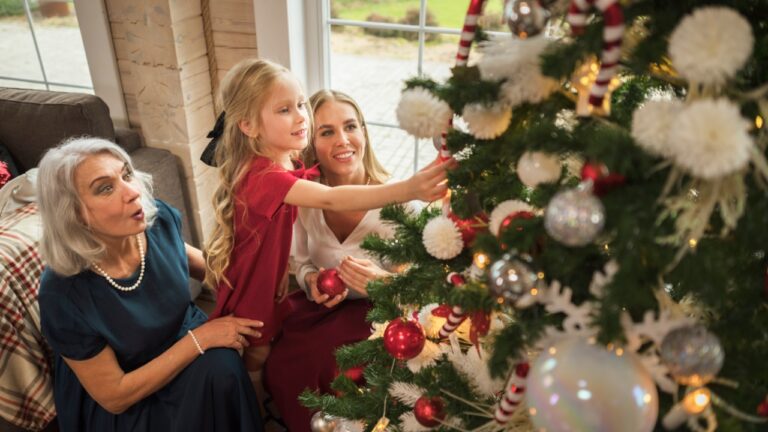
Let's not forget Christmas trees. Preferences vary, with some choosing artificial trees and others opting for live ones. Trees are adorned with ornaments, lights, and garlands, with handmade decorations and dried fruits being popular.
Conclusion
Christmas in Slovakia blends traditional customs with modern elements, creating a unique and memorable atmosphere.
Customs like decorating the Christmas tree, preparing the Christmas Eve dinner, and singing carols remain integral to Slovak Christmas. Many households still observe old traditions, such as fasting on Christmas Eve or cutting an apple to predict the family's health.
These traditions hold significance, reminding people of childhood and family values.
The holidays exemplify how traditions can coexist with modernity. Each year introduces new ways to celebrate Christmas, yet the core values of love, peace, and family unity endure.
 J