Spain by the Sea: Choose a Tailor-Made Vacation
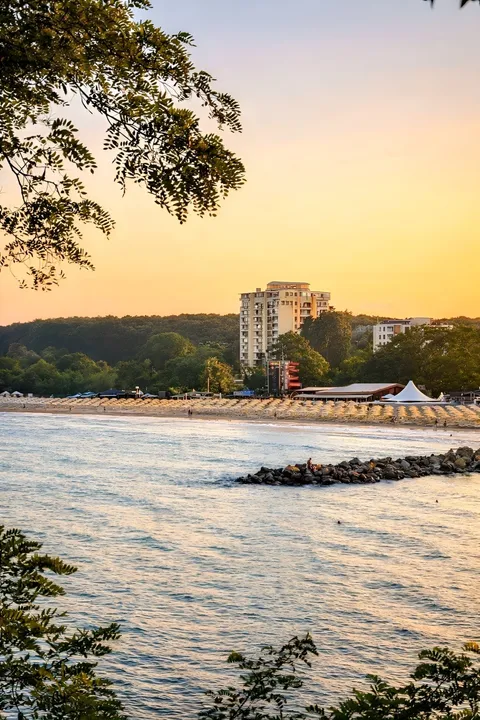
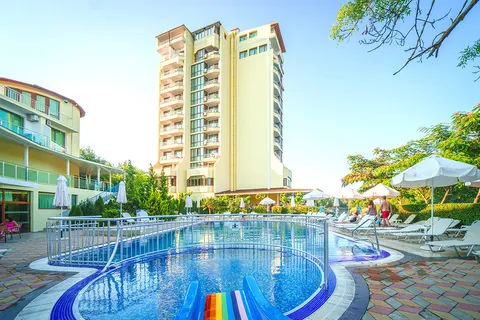
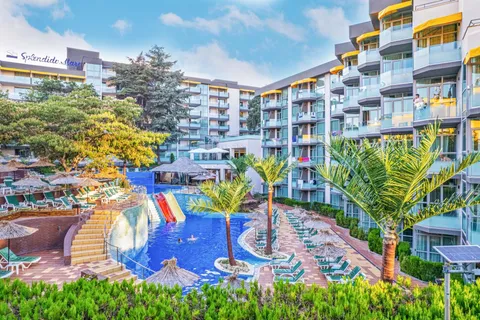
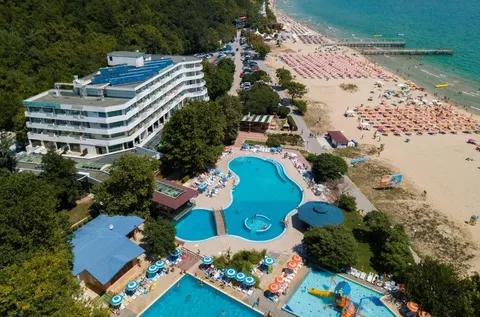
Spain offers diverse coastal experiences. Whether you seek a serene beach, a lively resort, or the thrill of surfing Atlantic waves, the Spanish coast caters to all preferences.
 J
J
Who wouldn't love endless beaches, excellent food and the unique atmosphere of Spain? Wherever you go, you will feel the temperament, relaxed lifestyle, and diversity for which this country is famous. You will find kilometers of sandy beaches, tranquil coves, romantic towns, and even adventures among volcanoes. Sometimes all in one place, other times just a few steps from historical monuments.
The Mediterranean coast lures with its calm waters and warm sea, while the Atlantic offers wilder beaches, stronger waves, and a laid-back atmosphere. You can choose the mainland or islands with turquoise waters, romantic nooks or year-round vacation seasons.
Costa Brava: A Romantic Coast Full of Hidden Coves
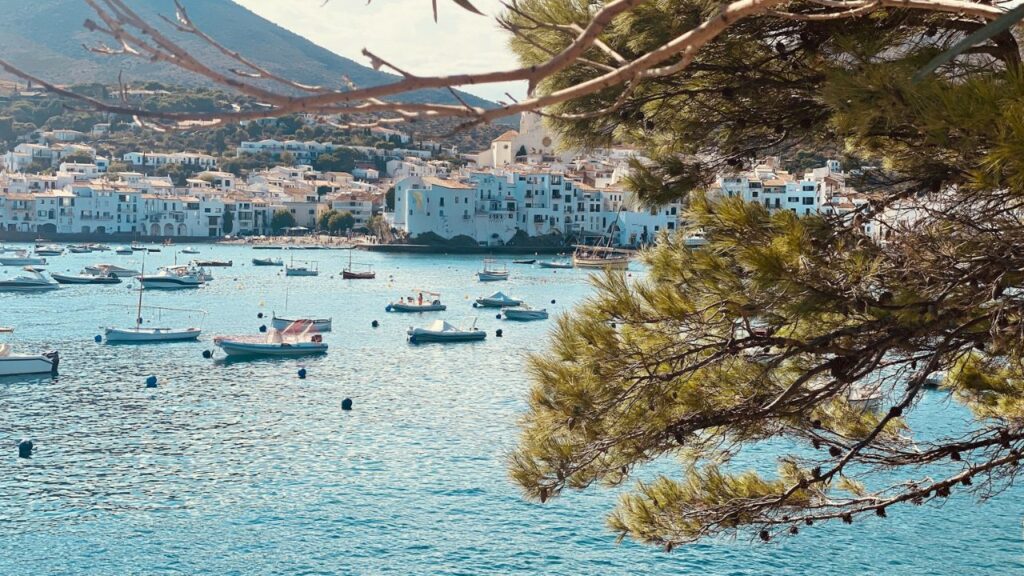
If you imagine peaceful coves with turquoise water, pine forests and small towns, Costa Brava could be exactly the place you are looking for. This coastline in northeastern Spain stretches from Barcelona to the French border and is one of the most picturesque areas of the country. Its name, translated as "wild coast," perfectly captures the rocky cliffs, hidden beaches, and views of the Mediterranean Sea.
Among the most beautiful places is the white fishing town of Cadaqués, which was also loved by the surrealist painter Salvador Dalí. Nearby in Portlligat stands his house, now transformed into a museum. The charming atmosphere is also offered by Tossa de Mar with its stone walls, narrow streets, and sea views. A quieter alternative is Calella de Palafrugell, a former fishing village with white houses, small beaches, and a promenade.
If you are drawn to a livelier atmosphere, head to Lloret de Mar, one of the most famous resorts on Costa Brava. In addition to hotels, bars, and nightlife, you will find smaller coves and coastal paths here. The so-called calas – small beaches hidden among the rocks – are among the biggest attractions of this area. Many of them are accessible only on foot via the historic coastal path Camino de Ronda, which once served to guard the coast. Today, it is one of the most beautiful hiking trails in Spain.
Outside of the high temperatures, it is also worth exploring a bit of the surroundings. Be sure not to miss the historic Girona with its colorful houses above the Onyar River, medieval streets, and one of the best-preserved city walls in Europe.
On Costa Brava, you will also find hotel resorts, but a large part of this area consists of pine forests, small fishing towns, and rocky cliffs with romantic nooks.
Costa Dorada: For a Peaceful Vacation with Children
A vacation with children requires certain specifics, and Costa Dorada meets them almost perfectly. The name Golden Coast refers to long stretches of fine sand with a gentle entry into the sea, which stretch south of Barcelona. The most famous resort is Salou with plenty of hotels, restaurants, playgrounds, and a long promenade.
A quieter atmosphere is offered by the nearby Cambrils, a former fishing town with pleasant beaches, a harbor, and excellent gastronomy based on fresh fish and seafood. Another popular resort is La Pineda with wide beaches and a very gentle entry into the sea, ideal even for the smallest children.
Tip: Get advice from Holidayo for a tailor-made vacation.
A major attraction of the entire area is PortAventura World, one of the largest theme parks in Europe. In addition to dozens of attractions, you will also find the water park Caribe Aquatic Park and the entertainment zone Ferrari Land.
Costa Blanca: Sun, Beaches, and Picturesque Towns
Long sunny days, beautiful beaches, historic towns, and lively resorts – all of this connects the area known as Costa Blanca. The more than 200-kilometer coastline in southeastern Spain attracts visitors with sandy beaches, rocky cliffs, and typical white architecture. Thanks to its pleasant climate, it is one of the sunniest areas in the country and the vacation season here lasts longer than in most Mediterranean destinations.
One of the main gateways to the region is Alicante with a combination of city life and relaxation by the sea. Above the city rises the Santa Bárbara Castle, from where a panoramic view of the coast and the harbor opens up. Playa del Postiguet and the palm-lined promenade are among the liveliest places, but if you are looking for a quieter atmosphere, don't miss Altea. This town is famous for its narrow cobbled streets, white houses with colorful flowers, and a church with a typical blue dome.
The colorful face of the coast is shown by Villajoyosa, known for its brightly colored houses by the beach. Once serving as landmarks for fishermen returning from the sea, today they are among the most photographed places on Costa Blanca. The town is also known for its chocolate production, so it is worth visiting the local museum and tasting some traditional chocolates.
For nature lovers, Calpe is almost a paradise on earth. Above the town rises the monumental limestone rock Peñón de Ifach, which is 330 meters high. Climbing to its summit is among the most popular hiking experiences in the entire region.
And then there is Benidorm. Many associate it primarily with skyscrapers, a bustling nightlife, and large hotels. In reality, however, it offers much more. In addition to the long sandy beaches Playa de Levante and Playa de Poniente, you will find modern promenades, Balcón del Mediterráneo viewpoint, and plenty of activities for families with children.
If you enjoy exploring natural attractions, don't miss the pink lake Torrevieja. Its unusual coloring is caused by microorganisms and a high concentration of salt. On sunny days, it creates one of the most photogenic natural phenomena in all of Spain.

Andalusia: When You Want More Than Just the Sea
Sunny Andalusia in southern Spain combines beautiful coastline with rich history, excellent gastronomy, and unique culture. If you don't want to spend your entire vacation just on the beach, this region offers plenty of places worth discovering. One of them is Málaga, the birthplace of Pablo Picasso. In addition to wide beaches, you will find a historic center, the Alcazaba fortress overlooking the harbor, the modern promenade Muelle Uno, and plenty of tapas restaurants. And all just a few kilometers from Gibraltar. Besides the famous Rock of Gibraltar, you will encounter the only wild monkeys in Europe, and on clear days, you can see the coast of Morocco.
About an hour's drive from Málaga lies Nerja, famous for the Balcón de Europa viewpoint, smaller beaches, and the Cueva de Nerja cave with its enormous stalactites and stalagmites.
Spain also welcomes lovers of luxury vacations by the sea, especially in the city of Marbella. It is known for its elegant harbor Puerto Banús, long beaches, and quality restaurants. Nearby Estepona is also gaining popularity but still retains a pleasant atmosphere full of colorful geraniums.
And for the more adventurous types, Andalusia has several surprises beyond the beach. One of them is the hiking trail Caminito del Rey. It leads high above the El Chorro canyon with unforgettable views. The historic town of Ronda with its deep gorge El Tajo, which divides it into two parts, is also worth a visit. Both parts are connected by the iconic stone bridge Puente Nuevo.

Valencia: The Ideal Compromise Between City and Beach
Valencia combines relaxation by the sea, culture, and gastronomy. The third largest city in Spain proves that a vacation doesn't have to be just about a hotel resort and days spent on the beach. In one day, you can explore historic streets, visit futuristic museums, taste paella, and watch the sunset by the sea in the evening. The most famous city beach is Playa de la Malvarrosa. It stretches just a few kilometers from the historic center, and thanks to excellent public transport and bike paths, you can get there in just a few minutes.
The landmark of Valencia is the City of Arts and Sciences (Ciudad de las Artes y las Ciencias), one of the most significant modern architectural complexes in Europe. The futuristic buildings designed by architect Santiago Calatrava house a science museum, an oceanographic center, and a planetarium. The Turia Park, built in the former riverbed, is also worth a visit. This nine-kilometer green belt full of parks, gardens, and bike paths connects the historic center directly to the coast.
When visiting Valencia, be sure to indulge in authentic paella. It was here that the original recipe of rice, rabbit, and chicken with vegetables was created.

Costa de la Luz: Peaceful Spain by the Atlantic
You will avoid the busiest resorts on the Costa de la Luz. Located in southern Spain near the border with Portugal, it has a completely different atmosphere. Instead of large hotel resorts, you will find wide beaches, historic towns, the Atlantic Ocean, and a more relaxed pace of life. The heart of the region is Cádiz, one of the oldest continuously inhabited cities in Europe. Its historic center, surrounded by the ocean, consists of narrow streets, small squares, and typical white houses. In the evening, it comes alive with tapas bars and local restaurants.
Tip: Explore the entire vacation offer in Spain.
A bit further lies Tarifa, the southernmost city in continental Europe. Here, the Mediterranean Sea meets the Atlantic Ocean, and due to strong winds, it is one of the most famous European destinations for kitesurfing and windsurfing. On clear days, you can see the coast of Morocco from the local beaches.
Costa de la Luz is also known for its long sandy beaches, which are much less developed than the Mediterranean coast. The Atlantic brings stronger waves, fresher air, and more pleasant summer temperatures.

Canary Islands: When You Don't Want to Travel Only in Summer
Not every vacation in Spain has to take place in summer. If you want to travel in autumn, winter, or early spring while enjoying pleasant temperatures by the sea, the Canary Islands are among the best destinations in Europe. Located off the northwest coast of Africa in the Atlantic Ocean, they enjoy a mild climate year-round. Even in the middle of winter, daytime temperatures often range between 20 and 25 °C.
Each island has its own character. The largest Tenerife attracts visitors with the majestic volcano Pico del Teide, the highest peak in Spain, and the UNESCO-listed Teide National Park. In addition to the lunar landscape created by lava, you will find black volcanic beaches, lively resorts, mountain villages, and plenty of viewpoints over the Atlantic.
Gran Canaria is often referred to as a small continent. In one day, you can travel from the sandy dunes of Maspalomas through green mountain valleys to dramatic rocky scenery. Lanzarote shows a completely different face. Volcanic eruptions have created a landscape full of lava fields, craters, and volcanic rocks. Timanfaya National Park is one of the largest natural attractions in Spain, and its scenery resembles the surface of the Moon. The character of the island is still influenced by the architect and artist César Manrique, who advocated for the sensitive integration of buildings into the surrounding landscape.
Those who love long beaches and water sports will be captivated by Fuerteventura. Miles of light sand, turquoise sea, and stable winds create ideal conditions for surfing, windsurfing, and kitesurfing.

How to Choose a Vacation in Spain for Yourself?
Each part of Spain offers a completely different experience. If you are still unsure which destination will be right for you, this simple summary may help.
- Costa Brava – Peaceful coves, romance, and picturesque towns
- Costa Dorada – Vacation with children, wide sandy beaches, and gentle entry into the sea
- Valencia – A combination of city life with relaxation by the sea
- Andalusia – History, tapas, culture, and excursions
- Costa de la Luz – Surfing, wind, and fewer tourists
- Canary Islands – Volcanic landscape, hiking, and year-round season
- Costa Blanca – Lots of sun, long beaches, and a diverse selection of resorts
J