Car Seats and Booster Seats: A Guide on How to Travel with Them
For many parents, choosing between a car seat or booster seat for long journeys is crucial for their children's comfort and safety.
 J
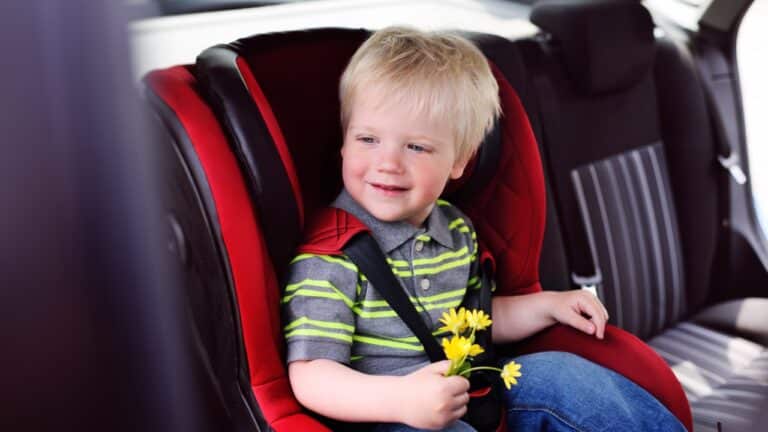
Traveling with children means ensuring their safety and comfort with car seats and booster seats, whether you're traveling by plane, car, or train. These seats significantly reduce the risk of injury in case of an accident.
This guide covers key aspects of traveling with car seats and booster seats, including air travel. If you're planning a family vacation, keep reading for answers to common questions.
>>> Planning a vacation with children? Discover tips to ensure both kids and parents have a great time.
Traveling with a Car Seat and Booster Seat by Plane
Wondering if you can bring a car seat or booster seat on the plane?
Airlines have specific rules for transporting these items, so check them before your trip. Most airlines allow one car seat or booster seat per child for free, though some may charge a fee.
If your airline permits car seats, they must be approved by the FAA or TÜV, indicating they're suitable for aircraft use.
To confirm if your car seat is approved, look for the label “For Use In Aircraft.” You can also verify this via this list.
Bringing a car seat on the plane can enhance your child's comfort and calmness, benefiting both you and fellow passengers.
If you opt for a car seat, you might need to purchase a seat for your child. Before buying tickets, ask the airline about discounted fares.
Rules and Tips for Flying with a Car Seat
Approved car seats have a maximum width of 44 centimeters, fitting most airplane seats.
Reserve adjacent seats, as some airlines require child seats to be in window seats to avoid blocking escape routes.
Follow all airline safety instructions when flying with a car seat or booster seat. Ensure proper installation and secure your child during the flight.
If you don't plan to use the car seat during the flight but need it later, many airlines allow you to check it into the cargo hold for free. Confirm this with your airline.

Is It Worth Bringing a Car Seat and Booster Seat?
The decision depends on your destination. Different countries have varying laws about child car seats. In the U.S., laws differ by state.
Some countries require car seats in taxis or rental cars. Ignoring these rules can compromise safety and result in fines, which can spoil your vacation.
If a car seat is required in rental cars, you don't have to bring one from home. Rental companies often provide them. Bringing your own ensures maximum safety for your child.
What Standards Must Car Seats and Booster Seats Meet?
Car seats with ECE R44/04 certification are accepted in over 100 countries, including the EU and Argentina.
Car seats with i-Size (ECE R129) meet enhanced safety standards in the EU, based on child height to protect the head, neck, and spine.
Like Slovakia, other countries have rules about when children can sit in the front or switch from a car seat to a booster seat.
In Spain, for example, children under 135 centimeters must sit in the back.

What Rules Apply in Slovakia?
In Slovakia, it's advised to use a baby seat until the child is 15 months old. After 1.5 years, you can switch to a car seat.
Children under three must be in a car seat. Without a restraint system, you can't transport children under three. Fines range from 50 to 100 euros for non-compliance.
Children under 36 kilograms or 150 centimeters need a child restraint system, either car seats or booster seats.
Since 2018, booster seats require a built-in backrest. Without one, they're only for children over 22 kilograms and 125 centimeters, until they reach 150 centimeters.
Traveling by Train
Traveling by train with a car seat and booster seat is simpler. Most rail companies transport these items for free.
However, some may require you to place them on an adjacent seat and pay for that seat.
If placing them on the floor, secure them properly to avoid blocking the aisle and inconveniencing other passengers.
Conclusion
For many parents, choosing between a car seat or booster seat for long journeys is crucial for their children's comfort and safety. These seats offer extra protection in case of an accident or turbulence during flights.
Car seats also enhance comfort, reducing stress during travel.
Parents should consider airline rules and their child's needs. Safety and comfort should always be a priority.
J